
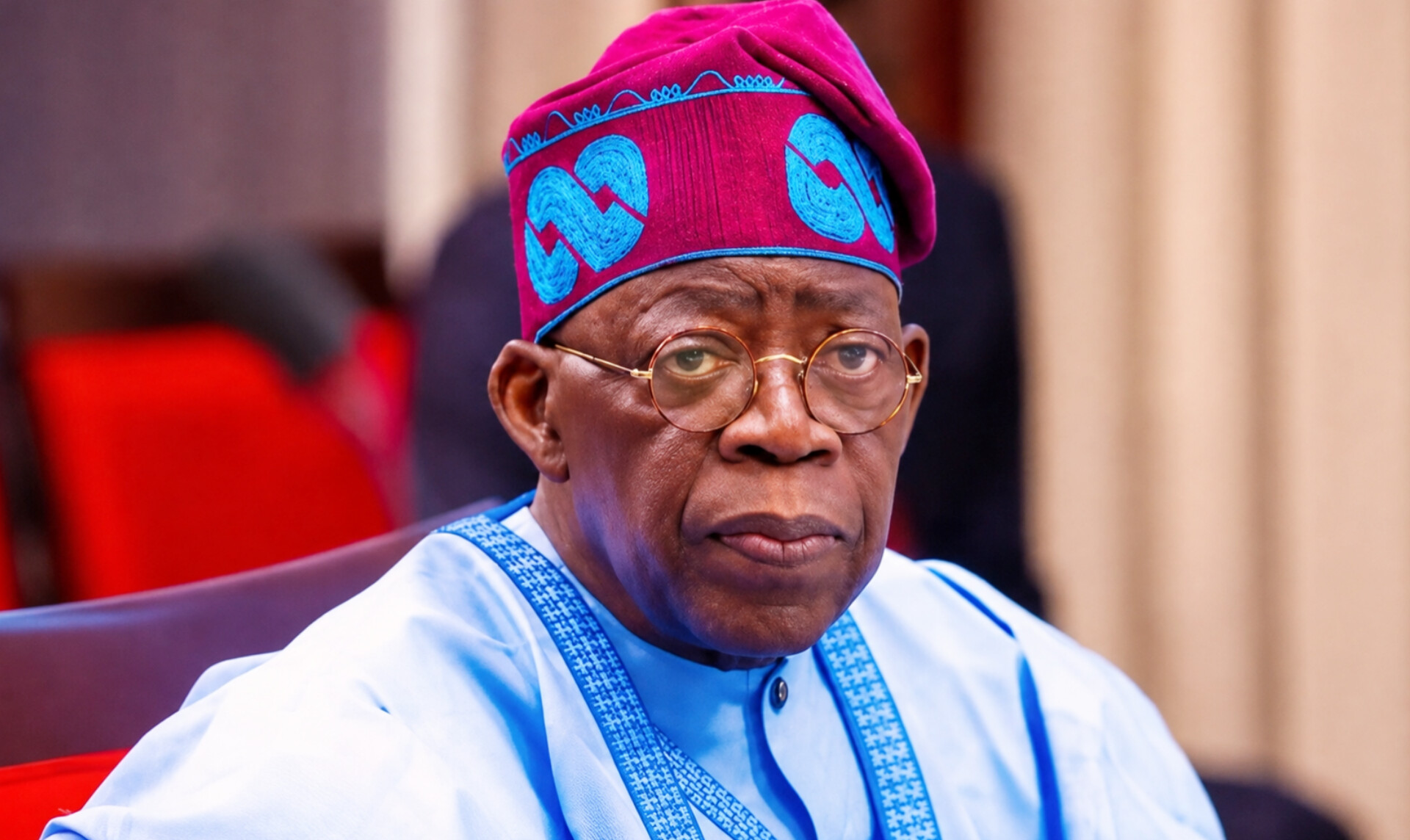
President Bola Tinubu has asked a US court to block the release of his FBI and DEA records, citing privacy protections, lack of public interest, political motives and the absence of evidence of government wrongdoing.
President Bola Ahmed Tinubu has urged a United States federal court to reject efforts to make public investigative records held by the Federal Bureau of Investigation (FBI) and the Drug Enforcement Administration (DEA) concerning him.
The President’s legal team presented four major arguments in opposition to the release of the records, insisting that the documents are protected by American privacy laws and that the request does not meet the public-interest threshold required under the US Freedom of Information Act (FOIA).
The legal challenge followed a request by American transparency activist Aaron Greenspan, who is seeking access to records relating to Tinubu from the early 1990s. Among the documents being requested are the FBI’s file on the Nigerian President and interview records known as Form 302, covering the 1992–1993 period.
Privacy laws protect the records
One of Tinubu’s central arguments is that the information contained in the records is protected under the US Privacy Act and FOIA.
His lawyers relied particularly on FOIA Exemption 7(C), which provides protection for personal information contained in law-enforcement records where disclosure could amount to an unwarranted invasion of personal privacy.
The legal team argued that the fact that a person is a prominent public official does not automatically remove his privacy rights over historical law-enforcement files.
According to the lawyers, the purpose of FOIA is primarily to enable the public to understand the activities and conduct of government agencies, rather than provide unrestricted access to information about private individuals contained in government files.
No recognised public interest, Tinubu argues
The second argument centres on the question of public interest.
Greenspan has argued that the records are relevant because Tinubu is the sitting President of Nigeria and his decisions affect millions of Nigerians.
Tinubu’s lawyers, however, rejected that interpretation. They argued that an individual’s background or questions surrounding his fitness for political office do not, by themselves, constitute the type of governmental interest that FOIA is designed to address.
The legal team maintained that the request focuses on information about Tinubu as an individual rather than information that would reveal how the FBI or DEA conducted their official duties.
Political motive alleged
The third argument presented by the President’s lawyers is that the request is connected to Nigerian political interests.
They accused Greenspan of being primarily interested in obtaining government documents containing Tinubu’s name and argued that FOIA should not be used as a mechanism for gathering private information about a political figure for political purposes.
The lawyers also challenged claims that the records could reveal a secret prosecution or an agreement by American authorities not to prosecute Tinubu, describing such suggestions as speculative and unsupported by sufficient evidence.
They argued that allegations alone should not be enough to overcome established privacy protections for law-enforcement records.
Previous disclosures do not remove privacy rights
Tinubu’s fourth argument is that the fact that some information about his past US legal matters has previously entered the public domain does not automatically mean that all remaining investigative records should be released.
The controversy dates back to a 1993 civil forfeiture proceeding in the United States involving about $460,000 held in an account linked to Tinubu. US court proceedings established that the money was forfeited, while the political debate in Nigeria has repeatedly focused on the circumstances surrounding the case.
However, the Presidential Election Petition Court in 2023 noted that the petitioners had not established that Tinubu was arrested, arraigned, convicted or sentenced in a criminal case in the United States.
Tinubu’s lawyers therefore maintain that previously available information does not eliminate his privacy interest in investigative material that has never been publicly disclosed.
Court to determine next step
The dispute is now before the US District Court for the District of Columbia.
In April 2025, Judge Beryl Howell directed the FBI and DEA to process records requested under FOIA after the agencies had previously declined to confirm or deny whether responsive documents existed. The agencies have subsequently relied on various exemptions to withhold or redact portions of the material.
The latest legal submissions do not amount to a criminal finding against Tinubu, nor do they establish that the disputed records contain evidence of criminal wrongdoing. The case is primarily about whether US law permits the requested government records to be released.
Opposition groups in Nigeria have nevertheless criticised Tinubu’s attempt to prevent further disclosure, arguing that Nigerians have a legitimate interest in information concerning the President’s past.
The final decision will rest with the US court, which must weigh the transparency arguments behind the FOIA request against the privacy and law-enforcement protections cited by Tinubu and the agencies involved.
