Breaking News, Politics, Business and Analysis in Nigeria
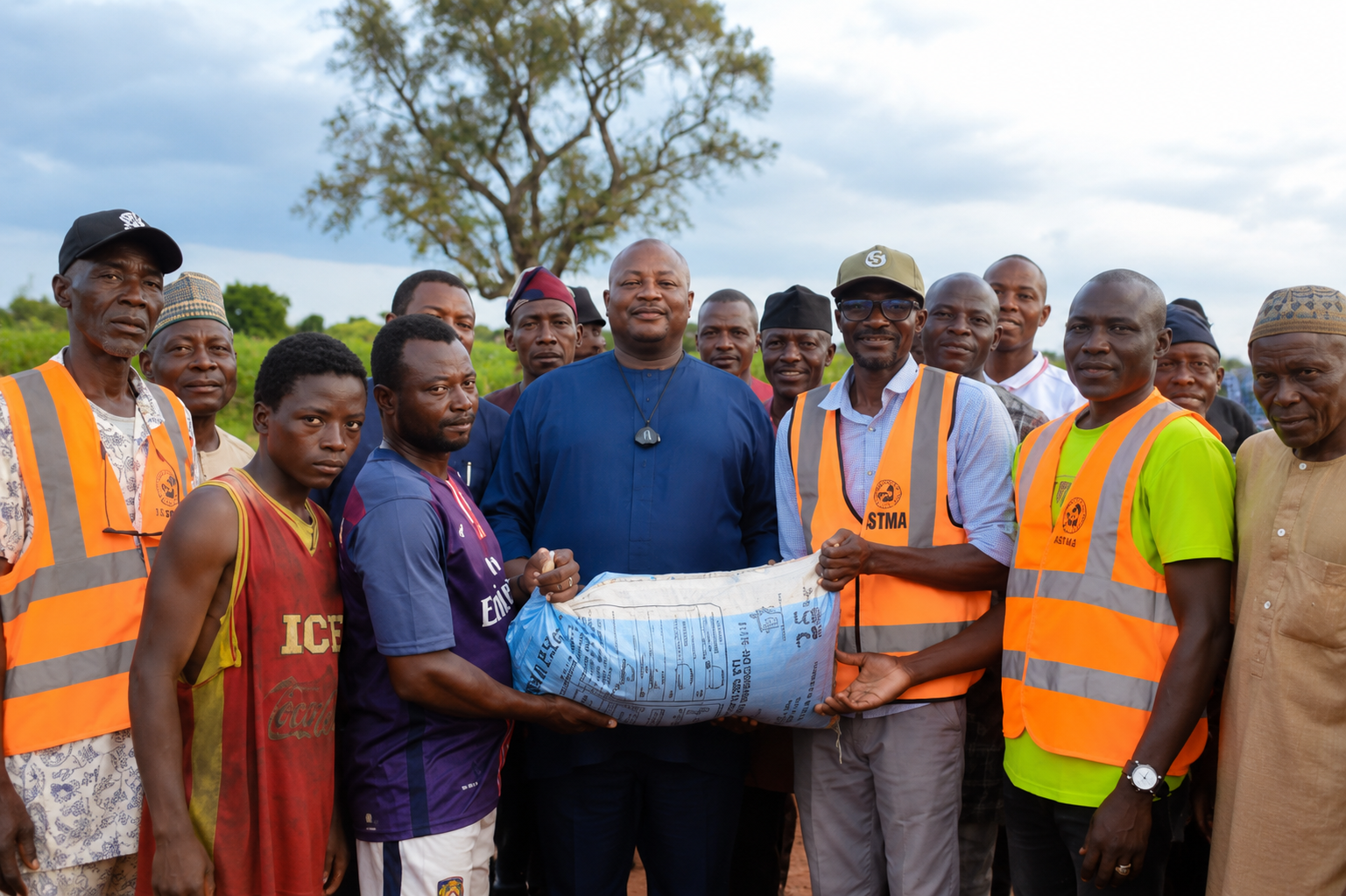
The Taraba State Government has distributed relief materials to internally displaced persons in Ibi Local Government Area as part of efforts to ease the hardship faced by families affected by displacement and other humanitarian challenges.
The intervention, carried out through the Taraba State Emergency Management Agency, TSEMA, is aimed at providing immediate assistance to vulnerable residents who have been forced to depend on humanitarian support for some of their basic needs.
The distribution comes amid continuing concerns over the welfare of displaced persons, particularly women, children, elderly people and other vulnerable groups whose livelihoods may have been disrupted.
For affected families, relief materials can provide important short-term support. However, humanitarian assistance also raises a broader question about how government and communities can help displaced people move beyond emergency dependence towards recovery, stability and sustainable livelihoods.
Emergency management agencies play a central role in responding to disasters and displacement by coordinating assistance and helping affected populations cope with immediate hardship.
Through TSEMA, the Taraba State Government has responsibility for coordinating state-level responses to emergencies and supporting communities experiencing humanitarian difficulties.
The intervention in Ibi reflects that responsibility.
Relief assistance is particularly important during the early stages of displacement, when affected households may have limited access to food, clothing, shelter and other essential items.
People forced from their normal places of residence can lose access to farms, businesses and other sources of income. Even when displacement is temporary, the economic consequences can persist long after the immediate emergency has passed.
For households already experiencing poverty or economic vulnerability, such disruption can make recovery particularly difficult.
Government assistance can therefore provide a temporary safety net while affected residents work towards rebuilding their lives.
Humanitarian emergencies do not affect every member of a community equally.
Women and children frequently face additional vulnerabilities during displacement, particularly where access to healthcare, sanitation, education and adequate shelter becomes limited.
Children may have their schooling disrupted, while parents can struggle to provide basic educational materials or meet transportation costs.
Pregnant women and nursing mothers may require specialised healthcare and nutritional support. Persons living with disabilities and elderly residents may also need assistance that differs from the general relief provided to other households.
These realities make proper assessment important before and during the distribution of humanitarian assistance.
Rather than relying solely on uniform packages, emergency interventions are more effective when authorities understand the composition and specific needs of affected households.
Accurate beneficiary records can also help ensure that available resources reach those who need them most.
The distribution of relief materials requires strong accountability mechanisms because humanitarian resources are intended for people experiencing exceptional hardship.
Authorities should therefore ensure that beneficiary identification, distribution procedures and inventory management are transparent.
Clear records of materials received and distributed can help strengthen public confidence in emergency interventions while reducing the possibility of diversion or duplication.
Community leaders and representatives of displaced persons can also play an important role in identifying vulnerable households and providing feedback on the effectiveness of assistance.
However, beneficiary selection should remain fair and free from political, religious, ethnic or other inappropriate considerations.
Emergency assistance should be based primarily on need.
Public communication is equally important. Providing clear information about what is being distributed, who qualifies and how beneficiaries are identified can reduce confusion and prevent unnecessary disputes at distribution points.
While the intervention by the Taraba State Government can help meet immediate needs, relief materials alone cannot provide a permanent solution to displacement.
Long-term recovery requires addressing the conditions that prevent affected families from safely returning to their communities or rebuilding sustainable livelihoods elsewhere.
Depending on the circumstances that caused displacement, this could involve improved security, reconstruction of damaged infrastructure, livelihood support, agricultural assistance or access to housing and essential public services.
For farming households, displacement can be particularly damaging because missing a planting season may affect income and food security for an entire year.
Assistance in the form of seeds, fertiliser, agricultural tools and access to farmland could therefore become important as affected communities move from emergency relief towards economic recovery.
Small-business owners may similarly require financial support, equipment or other forms of assistance to restart their livelihoods.
Skills acquisition programmes could also provide alternative income opportunities for young people and women whose previous means of livelihood have been disrupted.
One of the less visible consequences of displacement is its effect on education.
Children living in displacement settings may struggle to attend school regularly, particularly when families have relocated far from their original communities.
Even where schools are available, displaced families may have difficulty paying for uniforms, learning materials, transportation and other educational needs.
Prolonged absence from school can have consequences extending far beyond the period of displacement.
Government agencies, education authorities and humanitarian organisations should therefore consider education an essential part of emergency response rather than something to address only after other challenges have been resolved.
Keeping displaced children in school can provide stability at a time when much of their normal lives has been disrupted.
Displacement camps and temporary settlements can also create public health challenges, especially where many people share limited water and sanitation facilities.
Access to clean water, functional toilets and appropriate waste disposal systems is essential for reducing the risk of preventable diseases.
Primary healthcare services should also be accessible, particularly for children, pregnant women, nursing mothers, elderly people and those requiring regular medical attention.
Emergency responses are most effective when food and material assistance are combined with healthcare, sanitation, protection and other essential services.
This requires coordination among TSEMA, local government authorities, health agencies, community leaders and humanitarian organisations.
The distribution of relief materials in Ibi represents an important intervention for families facing difficult circumstances, but its lasting impact will depend on what follows.
A strong humanitarian response should ideally progress through different stages: immediate relief, stabilisation, recovery and eventually a return to sustainable livelihoods.
That transition requires accurate information about the number of displaced people, their places of origin, their immediate needs and the obstacles preventing them from returning home or rebuilding their lives.
Authorities could use such information to develop more targeted interventions rather than relying exclusively on periodic distributions.
Monitoring is equally important. Government should assess whether assistance is reaching intended beneficiaries and whether conditions within displacement settlements are improving.
Ultimately, displaced persons generally want more than continuous humanitarian assistance. They need conditions that allow them to regain independence, dignity and economic security.
The Taraba State Government’s intervention through TSEMA can provide immediate relief, but sustainable progress will depend on a broader strategy that addresses both the consequences and underlying causes of displacement.
For affected families in Ibi, the relief materials may ease some immediate pressures. The longer-term priority should be creating a realistic pathway towards stability, livelihood restoration and safe, dignified living conditions.
That will require continued cooperation among government institutions, communities, humanitarian organisations and other stakeholders.
Emergency relief matters most when it becomes the first stage of recovery rather than the final response to displacement.

Emmanuel Sunday Tijwun is a Nigerian journalist, researcher, and nonprofit leader. He is the Executive Director of TIJCEF and publisher of ClearFact News, covering governance, development, technology, health, and public affairs.
