Breaking News, Politics, Business and Analysis in Nigeria
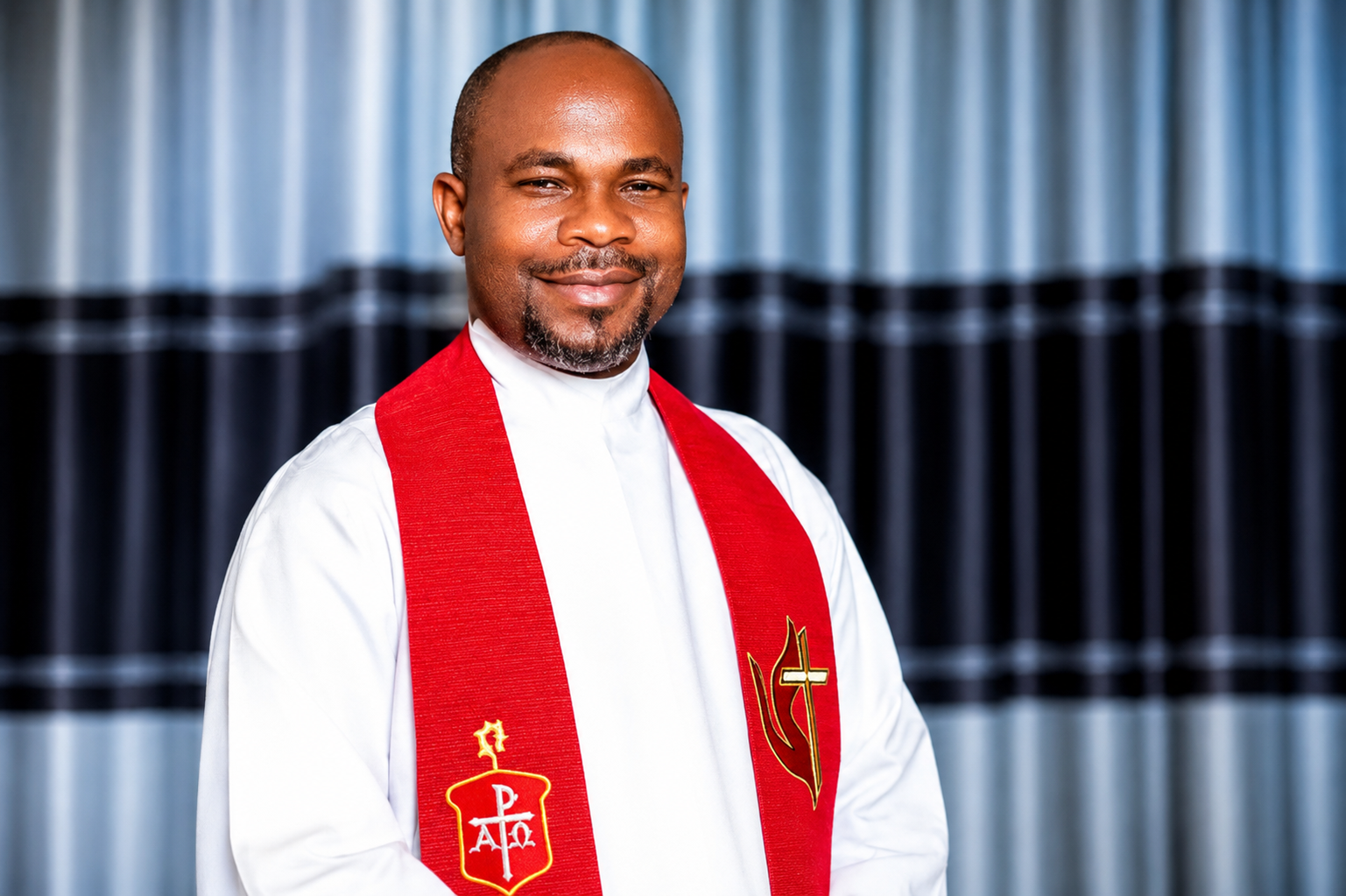
Efforts to restore lasting peace within the United Methodist Church in Nigeria have received renewed attention as Bishop Ande Emmanuel described recent developments as encouraging signs that wounds created by a prolonged internal crisis are gradually healing.
The church has endured years of disagreements that strained relationships among members and leaders, creating divisions that extended beyond internal administration into communities where the denomination has a strong presence.
Speaking against the backdrop of reconciliation efforts, Bishop Ande expressed optimism that progress is being made towards rebuilding trust and strengthening peaceful coexistence. He also called on religious leaders, journalists and other stakeholders to support initiatives capable of consolidating the gains already recorded.
His message places particular emphasis on sustaining dialogue rather than reopening disagreements that have defined the crisis for years.
The development is significant in Taraba State, where the United Methodist Church has a substantial presence and where prolonged religious disagreements can affect not only worshippers but also families and communities.
The crisis within the church has developed over approximately two decades, making reconciliation a difficult process that requires more than formal meetings or public declarations.
Long-running institutional disputes often create competing narratives among those involved. Over time, disagreements over leadership, administration and the direction of an organisation can become deeply personal, particularly when members have invested years in defending their respective positions.
This makes Bishop Ande’s declaration that wounds are healing particularly significant.
Healing after a prolonged disagreement does not necessarily mean that every contentious issue has disappeared. Rather, it may indicate that previously divided parties are increasingly willing to communicate, coexist and explore peaceful mechanisms for resolving outstanding differences.
For a religious institution, such reconciliation carries additional importance because churches are expected to promote values including forgiveness, tolerance, justice and peaceful coexistence.
When disagreements within a religious organisation become prolonged, the consequences can therefore extend beyond institutional administration and affect the credibility of its message.
Bishop Ande’s appeal to the media highlights the important role journalism can play in either reducing or escalating tensions during sensitive disputes.
Religious conflicts require particularly careful reporting because inaccurate headlines, inflammatory language or unverified allegations can intensify disagreements among followers.
Journalists covering reconciliation efforts have a responsibility to distinguish verified developments from claims made by competing parties. They must also provide sufficient context for audiences to understand events without unnecessarily amplifying divisive rhetoric.
Responsible journalism does not mean ignoring disagreements or withholding information that is in the public interest. Instead, it requires accuracy, fairness and sensitivity to the possible consequences of reporting.
In a prolonged dispute, even the choice of language can influence how audiences interpret developments.
Media organisations can therefore contribute to sustainable peace by reporting reconciliation initiatives accurately, giving relevant parties fair opportunities to explain their positions and avoiding narratives capable of reigniting hostility.
At the same time, journalists must retain their independence. Supporting peace should not prevent the media from asking legitimate questions about decisions, leadership, accountability or unresolved issues within religious institutions.
Beyond the media, Bishop Ande also placed responsibility on religious leaders to sustain the emerging peace.
Clergy and other influential figures can shape the attitudes of their followers, particularly in communities where religious institutions play important social roles.
Messages delivered from pulpits can encourage reconciliation or deepen division. Leaders who emphasise forgiveness, restraint and dialogue can help their congregations move beyond past disagreements.
This is particularly important where a dispute has lasted for many years.
Some younger members of the church may have grown up during the period of disagreement and may therefore have little personal memory of the institution before the divisions emerged. Rebuilding unity among such members could require deliberate programmes that encourage interaction, shared worship and community engagement.
Religious leaders also have an opportunity to demonstrate that reconciliation does not require the complete erasure of past grievances.
Sustainable peace is more likely when legitimate concerns are acknowledged and mechanisms are established for preventing similar disputes from recurring.
Public peace meetings can provide important symbolic moments, but long-term reconciliation will depend on what happens after such events.
Parties that have experienced years of disagreement need structures that allow them to address future disputes before they escalate.
Regular dialogue between leaders, transparent administrative processes and clearly defined channels for resolving grievances could help protect whatever progress has been achieved.
Reconciliation must also reach ordinary members.
While senior leaders may reach agreements, tensions can remain at the grassroots if congregations and communities are not adequately involved in the peace-building process.
Church members who experienced the consequences of the disagreement need opportunities to rebuild relationships and restore confidence.
This may require joint religious activities, community development programmes, youth engagements, women’s initiatives and other projects capable of bringing previously divided groups together around shared objectives.
The significance of reconciliation within the United Methodist Church extends beyond the denomination itself.
Religious organisations in Taraba play important roles in education, humanitarian assistance, social development and community mobilisation. Internal stability can strengthen their capacity to deliver these services effectively.
Peace within a major religious institution can also contribute to broader social stability.
Communities are often interconnected through family, traditional and religious relationships. When institutional disputes become prolonged, divisions can spread into these networks. Conversely, successful reconciliation can demonstrate that even deeply rooted disagreements can be addressed through dialogue.
This is particularly valuable in communities that have experienced other forms of tension.
Religious leaders who successfully resolve internal disputes can become stronger advocates for peace outside their institutions because they are able to demonstrate reconciliation through experience rather than rhetoric alone.
Despite the optimism surrounding the latest developments, lasting peace cannot be taken for granted.
Twenty years of disagreement cannot be completely overcome through a single event or declaration. Rebuilding trust requires consistency, patience and continued engagement from all sides.
Leaders must resist actions or statements capable of returning the church to previous divisions. Members must also be encouraged to focus on common interests while disagreements are addressed through appropriate channels.
The media, meanwhile, should continue to scrutinise developments fairly without turning sensitive differences into sensational controversies.
The coming months and years will ultimately show how deeply the reconciliation process has taken root.
For now, Bishop Ande’s assessment that wounds are healing represents an encouraging indication that relationships damaged by years of disagreement may be entering a new phase.
The greater task is ensuring that the emerging peace becomes durable.
If church leaders, members and other stakeholders continue to prioritise dialogue, accountability, tolerance and reconciliation, the painful history of division could eventually become a lesson in how institutions recover from prolonged conflict.
For the United Methodist Church in Nigeria and the communities affected by its internal disagreements, sustaining that progress may be more important than determining who prevailed in the disputes of the past.

Emmanuel Sunday Tijwun is a Nigerian journalist, researcher, and nonprofit leader. He is the Executive Director of TIJCEF and publisher of ClearFact News, covering governance, development, technology, health, and public affairs.
