
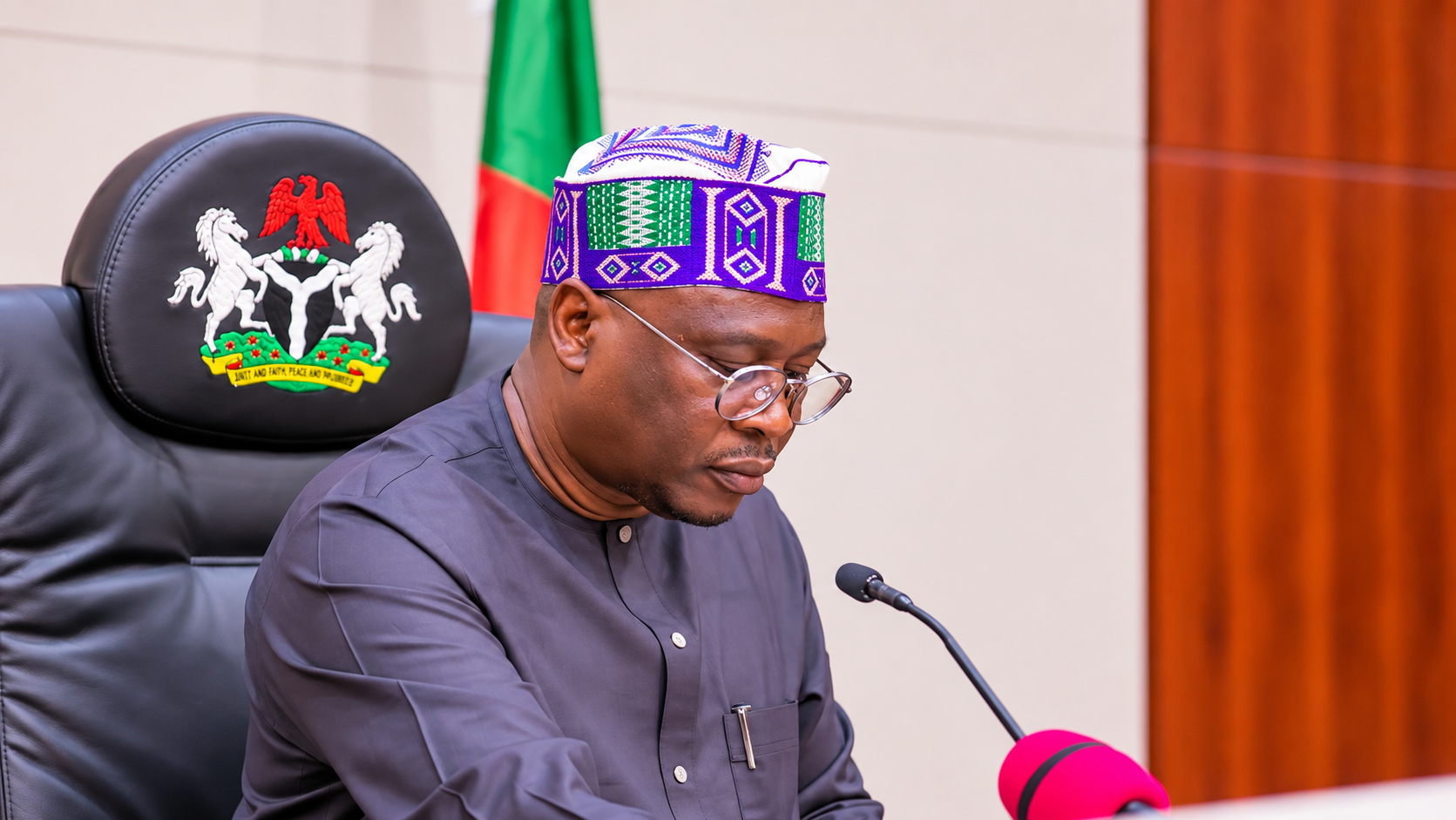
Adamawa Approves ₦1.75bn Office Complex for Schools Management Board
The Adamawa State Government has approved approximately ₦1.75 billion for the construction of office blocks for the Post-Primary Schools Management Board in Yola, adding another major project to the state’s ongoing investment in the education sector.
The approval, estimated at about ₦1.752 billion, is expected to provide improved administrative infrastructure for the agency responsible for key aspects of managing post-primary education in Adamawa State.
While classrooms, teachers and learning materials remain the most visible parts of an education system, effective administration behind the scenes can determine whether schools receive teachers, resources and government attention when they need them.
The latest investment therefore presents an opportunity for Adamawa to strengthen education administration — but the size of the expenditure will also place the project under public scrutiny.
₦1.75bn for Education Administration
The Post-Primary Schools Management Board occupies an important position within Adamawa’s education system.
Effective secondary-school administration requires reliable records, personnel management, communication with schools, monitoring and coordination across different parts of the state.
A properly designed office complex could provide staff with a more suitable environment to carry out these responsibilities.
Modern administrative facilities can also support better record management and coordination between departments.
But spending approximately ₦1.75 billion on administrative infrastructure inevitably raises an important question: what measurable improvements will the project produce for schools and students?
That question deserves attention because education budgets must ultimately translate into better learning outcomes.
More Than a New Building
The project should not be treated simply as another construction exercise.
A new headquarters offers Adamawa an opportunity to modernise the way secondary education is administered.
Instead of filling new offices with outdated paper-based processes, the government can use the project to accelerate digital transformation within the board.
Teacher records could be digitised.
School data could be maintained in a central information system.
Posting and transfer records could be tracked electronically.
Infrastructure needs across schools could be mapped and monitored.
Student enrolment figures could also be updated more efficiently.
Such systems could make decision-making faster and more evidence-driven.
If the government is spending heavily on a modern administrative facility, the systems operating inside it should be equally modern.
Teacher Management Is Critical
The timing of the project is particularly notable as Adamawa is also moving forward with the documentation of thousands of newly recruited teachers.
Recruiting teachers is one challenge.
Managing them effectively after recruitment is another.
Government needs to know where every teacher is posted, the subjects they teach and whether particular schools have too many or too few personnel.
Without reliable information, some schools may remain understaffed while others have more teachers than they require.
A strengthened Post-Primary Schools Management Board could help address such imbalances.
Digital personnel management could allow authorities to identify staffing gaps quickly and deploy teachers according to actual needs.
It could also strengthen attendance monitoring and reduce payroll irregularities.
Rural Schools Must Feel the Impact
The biggest test of any administrative investment will be whether its impact reaches classrooms outside Yola.
Adamawa has communities located far from the state capital, and students in those areas deserve the same attention as those in urban centres.
A sophisticated office complex in Yola will mean little to a school struggling with inadequate teachers, damaged classrooms or shortages of instructional materials unless the administrative system is capable of identifying and responding to those challenges.
The board should therefore strengthen communication channels with schools across all local government areas.
School principals should be able to report urgent problems efficiently.
Education officials should have access to accurate information on infrastructure, enrolment, staffing and learning resources.
The government can also use geospatial information systems to map public schools and identify areas with significant service gaps.
Data can make education planning more objective.
Public Will Expect Value for Money
The ₦1.75 billion price tag is likely to attract attention from taxpayers and education stakeholders.
That makes transparency particularly important.
Government should ensure the procurement and construction processes comply with applicable standards.
The public should also be able to understand what the project includes.
An office complex may involve much more than the physical structure itself. Depending on the contract, costs could include electrical systems, water infrastructure, ICT installations, furnishing, landscaping and other components.
Providing clear project details would allow citizens to assess the investment more accurately rather than judging it solely by the headline figure.
Authorities should also ensure construction is completed to the required standard and within the agreed timeline.
Nigeria has many examples of public projects that were announced with enthusiasm but later suffered delays, abandonment or significant cost increases.
Adamawa should avoid that outcome.
Schools Still Need Direct Investment
Administrative infrastructure is important, but it should not overshadow the immediate needs of schools.
Students learn in classrooms, not government offices.
Many public schools require continuous investment in laboratories, libraries, toilets, furniture, water supply and teaching materials.
Teachers also need professional development and adequate working conditions.
Government must therefore maintain a balance between strengthening the institutions that manage education and investing directly in the schools where learning occurs.
The strongest education system is one in which administration and classroom investment reinforce each other.
An efficient management board should make it easier for government to identify school needs and allocate resources more effectively.
Technology Should Be Built In
The proposed office complex could become a model for digital education administration if technology is incorporated from the beginning.
Rather than treating ICT as an afterthought, the facility could be designed around digital workflows.
A central education dashboard could provide decision-makers with updated information on schools throughout Adamawa.
Officials could monitor enrolment, teacher distribution, infrastructure projects and other indicators.
Records that currently require physical files could be securely digitised.
Schools could submit certain reports electronically rather than relying entirely on physical movement of documents to Yola.
This could reduce delays and administrative costs.
Data security and backups would, however, need to be taken seriously to protect sensitive personnel and student information.
Education Spending Must Produce Results
Public investment in education should ultimately be assessed by outcomes.
How many children are enrolled?
Are students staying in school?
Are teachers available in sufficient numbers?
Are students learning?
Are schools safe and properly equipped?
These questions should remain central as Adamawa expands spending across the education sector.
A new administrative complex can contribute to better outcomes if it improves planning and management.
But the building itself cannot substitute for effective leadership.
Officials working inside the facility will need clear performance targets and systems that hold departments accountable.
An Opportunity to Modernise the System
Adamawa’s approval of approximately ₦1.75 billion for the Post-Primary Schools Management Board office complex presents both an opportunity and a responsibility.
The opportunity is to create a modern administrative centre capable of managing secondary education more efficiently.
The responsibility is to demonstrate that such a significant public investment delivers measurable value.
The project should therefore be judged not simply by how impressive the completed building looks.
Its real value will be determined by what happens afterward.
If teacher deployment improves, school records become more reliable, decision-making becomes faster and resources reach schools according to need, the investment could strengthen the state’s education system.
If it becomes merely another expensive government office, the opportunity will have been missed.
For students and parents across Adamawa, the expectation is clear: every naira committed to education should ultimately contribute to better schools and better learning.
The ₦1.75 billion office complex can become part of that transformation — but only if the administration operating inside it produces results that can be felt far beyond Yola.
