
UNICEF Pushes Child Welfare Into 2027 Political Debate in Yola
As political conversations gradually build toward Nigeria’s 2027 general elections, a fresh message has emerged from Yola: politicians should be challenged not only on campaign promises and party rivalries, but also on what they intend to do for Nigeria’s children.
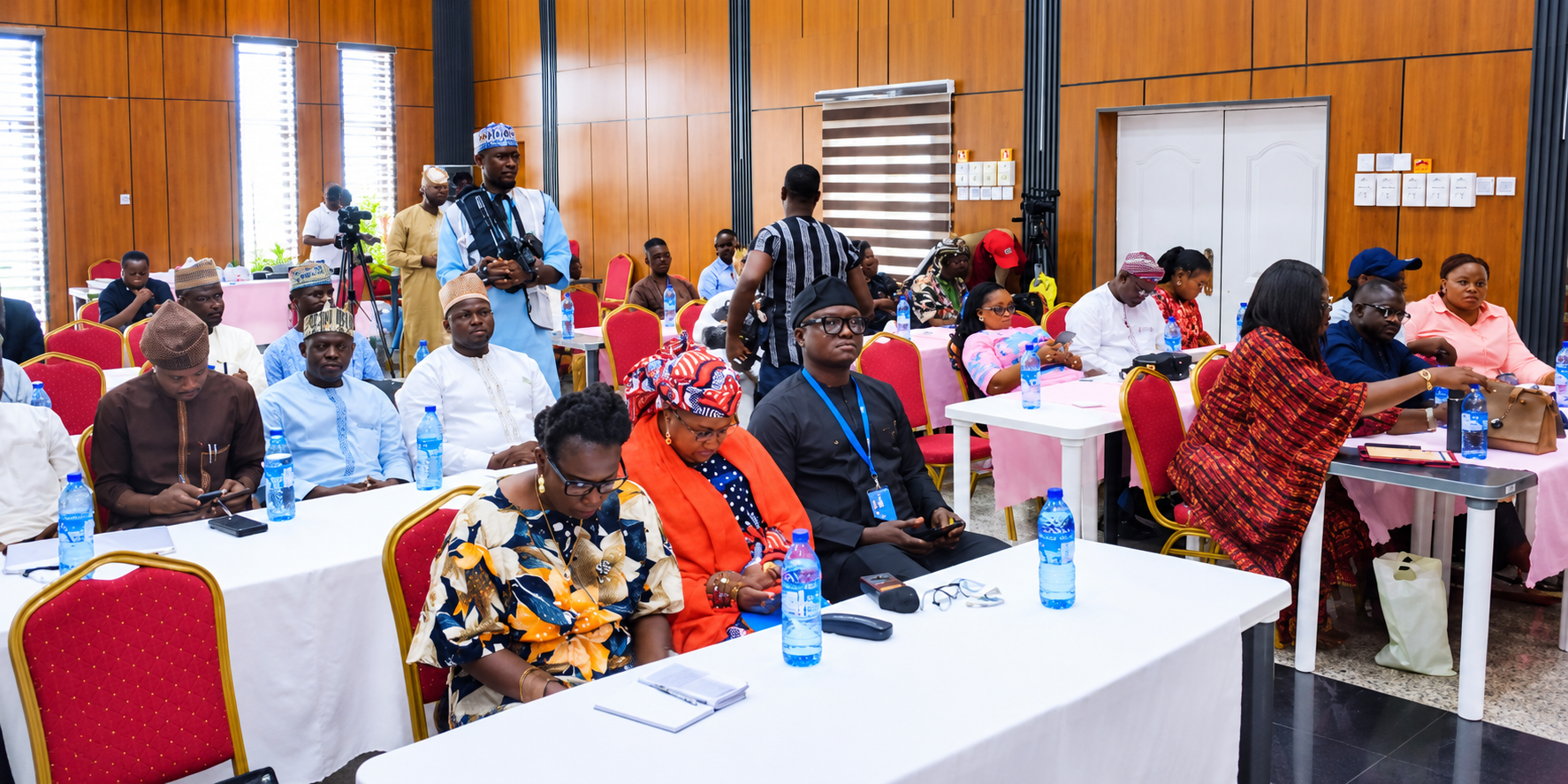
At a media dialogue in the Adamawa State capital, the United Nations Children’s Fund and other stakeholders drew attention to critical issues affecting children and called for stronger focus on education, healthcare, nutrition, water and sanitation, social protection and child welfare in public and political conversations.
The intervention places an important question before political leaders seeking elective positions in 2027: beyond slogans, rallies and promises, what measurable plans do they have for children?
For Adamawa and the wider North-East, where communities continue to confront challenges affecting education, health and household welfare, the question could become increasingly important as another election cycle approaches.
Children Must Enter the Political Conversation
Election campaigns in Nigeria are often dominated by discussions about roads, appointments, infrastructure, security and political alliances.
These are important issues.
But the welfare of children can sometimes receive less attention despite children constituting a major part of the population and depending almost entirely on decisions made by adults and government institutions.
Children cannot vote.
They do not attend party primaries to select candidates.
They rarely have direct access to governors, lawmakers or other political leaders.
Yet decisions made by those leaders determine whether children have functioning schools, access to healthcare, clean water, adequate nutrition and protection from violence and exploitation.
That is why placing child welfare within political debate matters.
Education Must Go Beyond Enrolment
Education is likely to remain one of the biggest issues.
Getting children into school is only the first step.
The quality of education they receive is equally important.
A child may technically be enrolled while learning in an overcrowded classroom without enough teachers, textbooks, furniture or functional toilets.
The true measure of educational progress therefore goes beyond the number of names appearing on school registers.
Are children actually learning?
Are qualified teachers available?
Are schools safe?
Are girls able to remain in school?
Are children with disabilities receiving appropriate support?
These are questions political candidates can be required to answer as they present their education plans.
Adamawa’s recruitment of thousands of teachers and investment in school infrastructure demonstrate the scale of resources governments can direct toward education.
The next challenge is ensuring such investments produce measurable improvements in learning.
Nutrition Can Determine a Child’s Future
Nutrition is another issue with consequences that extend far beyond hunger.
Children require adequate nutrition for physical growth and cognitive development.
Poor nutrition during critical stages of childhood can affect learning, health and productivity later in life.
This makes nutrition both a humanitarian and economic issue.
Political leaders should therefore be challenged to explain how they intend to support maternal and child nutrition, particularly among vulnerable households.
Interventions can include stronger primary healthcare systems, nutrition education, support for breastfeeding, access to appropriate complementary foods and targeted assistance for families facing severe economic hardship.
Agriculture also plays a role.
Policies that help farmers increase food production can indirectly contribute to improved food availability, although affordability remains critical.
Healthcare Starts at Community Level
A strong child-welfare agenda also requires functional primary healthcare.
For many families, primary healthcare centres are the first point of contact with the health system.
They provide services that can include immunisation, maternal healthcare, treatment of common illnesses and health education.
When these facilities lack personnel, medicines or equipment, families may have to travel longer distances or pay more for private treatment.
Political debates ahead of 2027 should therefore examine the condition of primary healthcare services, particularly in rural communities.
Candidates should be encouraged to move beyond broad promises such as “we will improve healthcare.”
Voters and journalists can ask for specifics.
How many facilities will be rehabilitated?
How will healthcare workers be recruited and retained?
How will essential medicines reach rural communities?
How will progress be measured?
Specific questions make campaign promises easier to evaluate.
Clean Water Is a Child-Welfare Issue
Water, sanitation and hygiene are also directly connected to children’s wellbeing.
A community without safe drinking water faces greater risks of water-related diseases.
Schools without appropriate toilets can create serious difficulties for students, particularly adolescent girls.
Poor sanitation can also contribute to outbreaks of preventable illnesses.
Investment in water infrastructure therefore has educational and health consequences.
Children who are frequently sick may miss classes.
Girls who lack appropriate sanitation facilities may struggle to attend school consistently.
Political leaders should consequently treat WASH investment as part of a broader human-development strategy rather than an isolated infrastructure programme.
Journalists Have a Major Role
The Yola dialogue also highlights the responsibility of the media as political activities increase.
Journalists shape public debate by deciding which questions receive attention.
If political reporting focuses almost entirely on defections, endorsements and conflicts between politicians, substantive policy issues can disappear from public discussion.
Campaign coverage can do more.
Candidates can be questioned about measurable targets for education, healthcare, nutrition and child protection.
Journalists can compare promises with existing data.
They can return to previous campaign commitments and investigate whether they were fulfilled.
They can also give communities an opportunity to explain the challenges affecting their children.
This transforms election reporting from political entertainment into public accountability.
Campaign Promises Need Numbers
One way to improve political accountability is to demand measurable commitments.
A candidate saying “I will transform education” provides voters with little information.
A stronger commitment would identify specific targets, funding priorities and timelines.
The same principle applies to healthcare and other public services.
Political parties should be encouraged to publish clear manifestos that citizens can examine.
Those documents can later become accountability tools.
After elections, journalists and civil society organisations can compare what governments actually delivered against what candidates promised.
Democracy becomes more meaningful when elections are connected to measurable public outcomes.
Child Protection Cannot Be Ignored
Child welfare also extends beyond schools and hospitals.
Children need protection from abuse, exploitation, trafficking, violence and harmful practices.
Government institutions responsible for child protection require adequate resources and trained personnel.
Communities also need effective systems for reporting abuse and supporting affected children.
Conflict and displacement can create additional vulnerabilities.
This is especially relevant in parts of the North-East where insecurity has disrupted families and communities.
Protecting children in such environments requires coordination among government, humanitarian organisations, security agencies, schools and community leaders.
2027 Should Be About Issues
Nigeria’s next general election will inevitably generate intense political competition.
There will be rallies.
Politicians will change parties.
Support groups will emerge.
Candidates will trade accusations.
Social media will be filled with competing narratives.
But beneath all the political drama lies a more important question: what will the election mean for ordinary Nigerians?
For families in Adamawa, that includes what it will mean for their children.
Will schools improve?
Will healthcare become more accessible?
Will fewer children suffer preventable malnutrition?
Will communities have clean water?
Will vulnerable children receive better protection?
These issues may not generate the loudest political headlines, but they have consequences lasting far beyond an election cycle.
From Yola to the 2027 Ballot
The conversation emerging from Yola provides an opportunity to reshape how political performance is discussed ahead of 2027.
Political leadership should ultimately be measured by improvements in people’s lives.
Children provide one of the clearest tests.
They cannot lobby government officials or finance political campaigns, but the consequences of government decisions can shape their entire lives.
A child who receives quality education today may become an engineer, teacher, entrepreneur, scientist or public servant tomorrow.
A child whose health and nutrition are protected has a better chance of reaching that potential.
As Nigeria moves closer to another election season, journalists, civil society organisations and voters have an opportunity to demand more detailed answers from those seeking power.
Candidates should tell the public not only why they want to win elections, but what they will do after winning.
And in Adamawa, one question deserves to be repeatedly placed before them:
What exactly is your plan for the children?
