
Kefas Hails Iliya Over Cleaner Jalingo
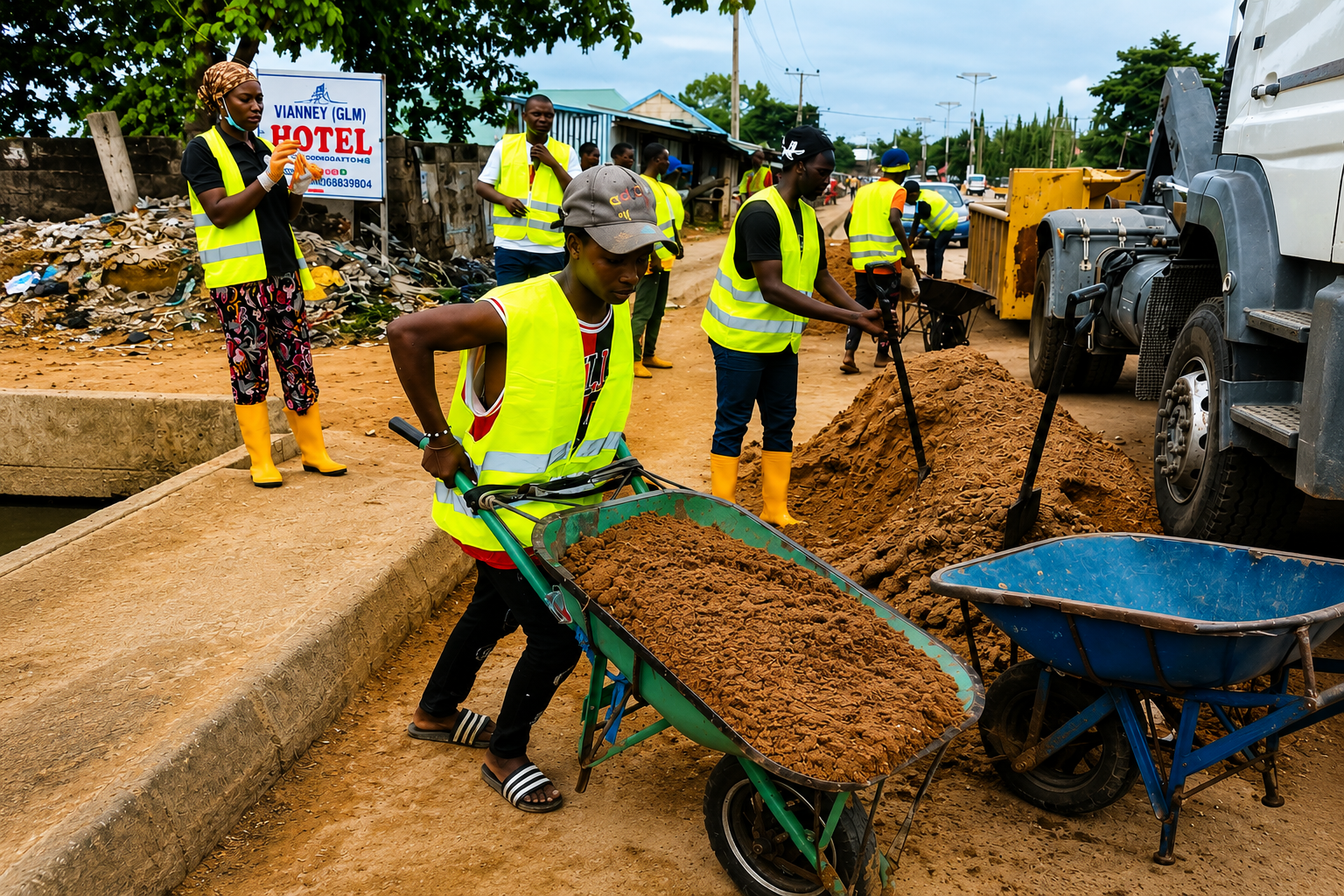
Taraba State Governor, Agbu Kefas, has commended the Chairman of the Taraba State Environmental and Sanitation Agency, Iliya Kefas, and personnel of the agency for their efforts towards improving environmental sanitation and the appearance of Jalingo and other parts of the state.
The commendation was conveyed in a letter dated August 24, 2026, and signed by the Secretary to the Government of the State, Chief Gebon Timothy Kataps.
In the letter titled “Letter of Commendation for Excellent Service and Environmental Stewardship,” the state government said the visible transformation recorded in Jalingo in recent months had attracted the attention of the governor.
The government specifically highlighted cleaner streets, the clearing of drainage channels, evacuation of illegal dumpsites and beautification of road medians, roundabouts and green spaces as some of the areas where progress had been recorded.
Sanitation Campaign Intensifies Across Taraba
The commendation comes amid an intensified sanitation campaign being implemented across Taraba State.
The environmental agency has deployed workers for street sweeping, drainage clearance and other sanitation activities as part of efforts to improve cleanliness in public spaces.
Iliya Kefas had earlier said during an inspection of the exercise that Governor Kefas approved funding for the sanitation programme, allowing workers to be deployed for various environmental activities.
He also appealed to residents to dispose of refuse at designated collection points and cooperate with government efforts to maintain cleaner communities.
The appeal highlights an important aspect of environmental sanitation: government intervention alone cannot keep communities clean without cooperation from residents.
While sanitation workers can sweep streets, clear drainage channels and evacuate waste, indiscriminate dumping can quickly reverse those gains.
Residents therefore have an important responsibility to ensure that household and commercial waste is disposed of through appropriate channels.
Drainages Cleared to Reduce Flood Risk
One of the major components of the sanitation campaign has been the clearing of blocked drainage channels.
In July, the agency embarked on drainage clearance across Jalingo and the headquarters of Taraba’s 16 local government areas as part of measures aimed at reducing the threat of flooding during the rainy season.
The exercise also involved clearing vegetation along roadsides and evacuating waste.
Drainage clearance is particularly important during periods of heavy rainfall.
When drains become blocked by refuse, vegetation and other materials, rainwater may be prevented from flowing through designated channels.
The result can be water accumulating on roads, entering homes and businesses or damaging infrastructure.
Keeping drainage channels open therefore serves both an environmental and disaster-prevention purpose.
The intervention is especially relevant in densely populated areas where large quantities of waste can quickly accumulate if disposal systems are not properly managed.
Workers Recognised for Difficult Assignment
The state government’s commendation was not limited to the chairman of the sanitation agency.
It also recognised sanitation officers, supervisors, drivers, mobilisers and other support personnel involved in the campaign.
According to the government, their work under difficult weather conditions has contributed to changes in the appearance of Jalingo.
The commendation also acknowledged early-morning waste evacuation, public sensitisation, enforcement of sanitation regulations and responses to environmental challenges among areas where the agency has made an impact.
Sanitation work can often be physically demanding and largely unnoticed when it is performed effectively.
Workers may be required to operate early in the morning, clear blocked drains, handle refuse and work under rain or intense heat.
Recognising those personnel can therefore serve as encouragement while reinforcing expectations for continued performance.
Monthly Sanitation Exercise Returns
Another development under the sanitation drive is the restoration of the monthly environmental sanitation exercise.
According to the report, the programme is scheduled for the last Saturday of every month as part of efforts to promote cleanliness and public health.
Regular sanitation exercises can provide communities with an opportunity to collectively address accumulated waste and environmental problems.
However, maintaining a clean environment requires more than a monthly exercise.
Daily behaviour remains critical.
Residents who properly dispose of refuse, avoid blocking drainage channels and keep their surroundings clean can reduce the amount of emergency cleanup required by government agencies.
Businesses and market operators also have responsibilities because commercial areas can generate significant volumes of waste.
Jalingo Main Market Receives Attention
Earlier in the year, the sanitation agency collaborated with the Taraba State Internal Revenue Service to evacuate blocked drainages around the Jalingo Main Market.
The intervention followed concerns about environmental conditions affecting traders and other people using the market.
Markets are particularly important locations for environmental management because of the volume of daily commercial activity.
Food products, packaging materials and other forms of waste can accumulate quickly without effective disposal systems.
Blocked drains around markets can also create stagnant water and unsanitary conditions, particularly during the rainy season.
Keeping such areas clean is therefore important for traders, customers and the wider community.
Clean Environment Linked to Public Health and Investment
The state government has linked environmental cleanliness with wider issues including public health, tourism, investment and quality of life.
It argues that cleaner urban centres can improve residents’ wellbeing while strengthening the image of Taraba before visitors and potential investors.
That relationship is important.
A clean city does more than improve appearance.
Proper waste disposal can reduce environmental hazards, while functioning drainage systems can help limit flooding.
Clean public spaces can also influence how visitors perceive a city.
For a state seeking to develop its tourism potential and attract investment, the condition of urban centres can form part of the overall impression presented to visitors.
Jalingo, as the Taraba State capital, is particularly important in this regard.
Government institutions, businesses, hotels and other major facilities are concentrated in the city, making its environmental condition highly visible.
Agency Gets More Formal Structure
The sanitation drive is taking place as the state government further formalises its environmental management structure.
Governor Kefas recently approved appointments into the Taraba State Environmental and Sanitation Agency, with Iliya Kefas, who previously served as Director-General of Operation Keep Taraba Clean, named chairman of the agency.
The government expects the agency to play a central role in keeping Taraba clean and responding to environmental challenges across the state.
Moving environmental sanitation into a more formal institutional structure could help provide clearer responsibility for planning, implementation and monitoring.
The real test, however, will be sustainability.
Cleaning streets for a limited period can produce visible results, but maintaining those results requires consistent waste collection, functioning disposal systems, public cooperation and enforcement of environmental regulations.
Kefas Urges Sanitation Team to Sustain Progress
While commending the progress recorded, the government urged Iliya Kefas and his team not to relent.
It asked the agency to build on the achievements already recorded and continue improving environmental conditions across the state.
The government said the interventions had helped give the Taraba State capital a renewed sense of order, dignity and civic pride.
It concluded its commendation by appreciating the sanitation team and congratulating the personnel for what it described as a job excellently done.
For residents, sustaining a cleaner Jalingo will require a partnership between government and the public.
The environmental agency can provide workers, equipment and waste evacuation, but residents must avoid practices that recreate the same problems being addressed.
The progress recorded will therefore be most meaningful if cleaner streets, open drainage channels and properly managed public spaces become permanent features rather than temporary achievements.
With the state government now formally recognising the sanitation team’s performance, attention will turn to whether the agency can sustain the momentum in Jalingo and extend similar improvements across communities throughout Taraba State.
