
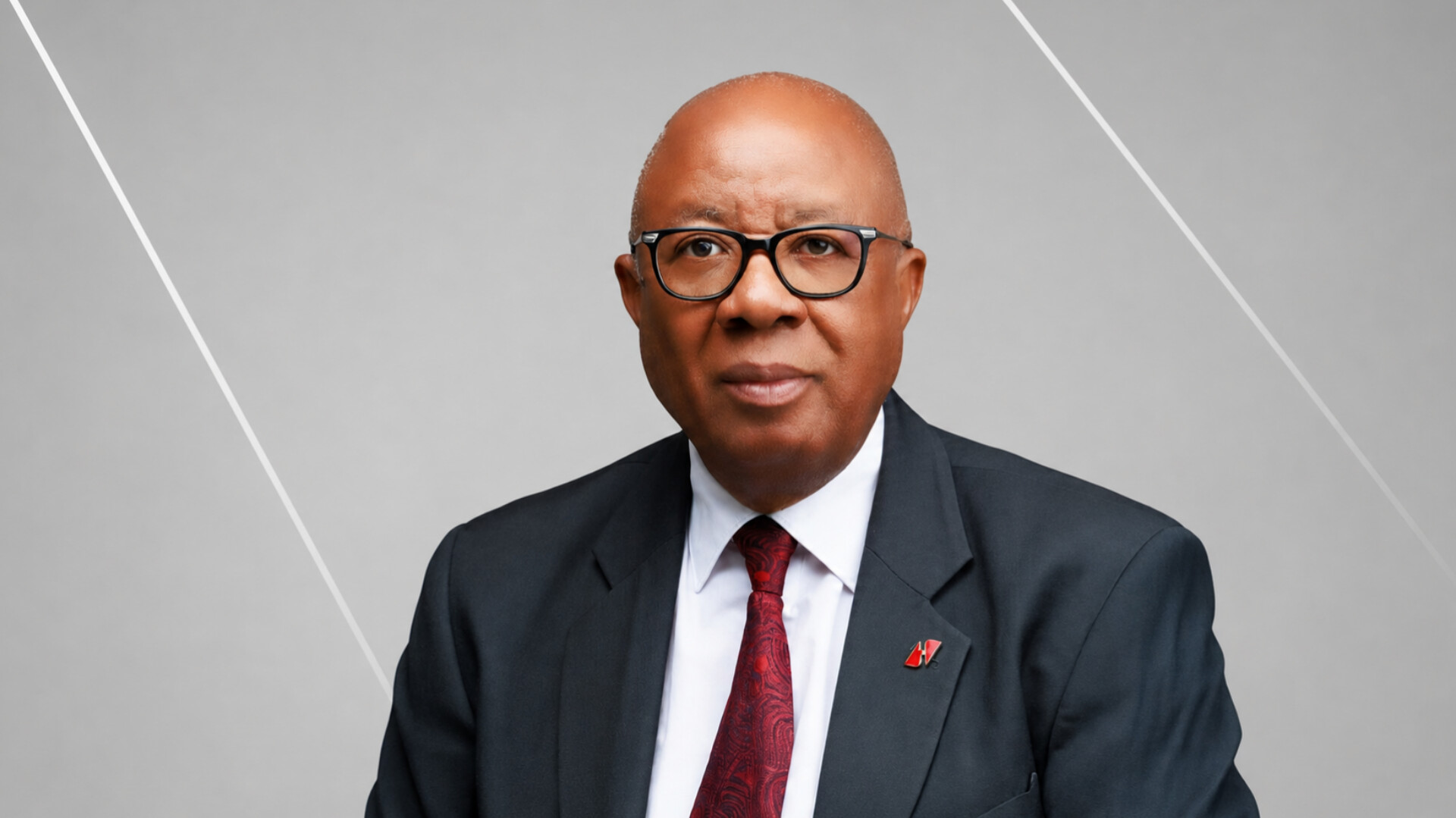
United Bank for Africa Plc has announced the appointment of Emmanuel N. Nnorom as its new Group Chairman, opening a fresh chapter in the leadership of one of Africa’s most prominent financial institutions.
UBA disclosed the development in an official statement, describing Nnorom as an experienced business leader and chartered accountant with more than four decades of professional experience. His appointment brings to the chairmanship an executive with extensive knowledge of the bank’s operations, governance structure and expansion across the African continent.
According to the bank, Nnorom’s relationship with UBA spans more than eight years in senior leadership positions. During that period, he served in several strategic capacities, including Managing Director and Chief Executive Officer of UBA Africa, Group Chief Operating Officer and Group Chief Financial Officer. He has also served as a non-executive director on the UBA Board.
His elevation to Group Chairman therefore represents a transition built largely on institutional familiarity. Unlike an external appointment that may require a lengthy period of adjustment, Nnorom enters the role with experience across the operational, financial and governance sides of the organisation.
As Managing Director and Chief Executive Officer of UBA Africa, he reportedly oversaw the banking group’s operations across 18 African countries. That continental exposure is expected to be particularly relevant as UBA continues to strengthen its presence beyond Nigeria and respond to changing economic conditions across its markets.
The chairmanship of a major banking group carries responsibilities that extend beyond the daily administration of the institution. While executive management handles everyday operations, the board chairman plays a central role in guiding corporate governance, coordinating the board and supporting long-term strategic direction. The chairman must also help ensure that management remains accountable to shareholders and that the institution maintains appropriate standards of risk management and regulatory compliance.
For UBA, the appointment comes at a time when African banks are operating in an increasingly complex environment. Financial institutions are managing the effects of inflation, currency volatility, evolving regulatory requirements, cybersecurity threats and rapidly changing customer expectations. They are also under pressure to expand digital services while preserving trust, protecting customer information and maintaining stable operations across different jurisdictions.
Nnorom’s background as a chartered accountant and former Group Chief Financial Officer could provide valuable experience in navigating some of these challenges. A group chairman must be able to interpret financial performance, understand risks and support decisions that protect the long-term interests of shareholders, customers and other stakeholders.
His previous role as Group Chief Operating Officer may also offer an informed understanding of the systems and processes required to manage a large financial institution. Operational knowledge is increasingly important as banks invest in technology, digital platforms and cross-border payment infrastructure.
UBA presented the leadership change as the beginning of a new chapter for the institution. The bank expressed confidence that Nnorom’s experience and understanding of its journey would support the group as it pursues continued growth across Africa and beyond.
The appointment may also reinforce continuity within the organisation. Leadership changes can sometimes create uncertainty, especially when a new chairman is unfamiliar with an institution’s culture or strategic direction. In this case, however, Nnorom’s years of service within UBA mean that he already understands many of the bank’s internal structures, priorities and operating markets.
That familiarity will not remove the challenges associated with the position. The new chairman will still need to work with other board members and executive management to address emerging risks, promote sound governance and strengthen the bank’s competitiveness.
UBA operates in markets with different regulatory systems, economic conditions and levels of technological development. Coordinating strategy across such a broad network requires a balance between group-wide objectives and the specific needs of individual countries. It also demands careful attention to local regulations, customer behaviour and economic realities.
Another important area will be the continuing transformation of banking through technology. Across Africa, customers increasingly expect fast, secure and accessible financial services through mobile phones and other digital channels. Banks are consequently investing in digital banking, electronic payments, cybersecurity and data-driven customer services.
Although technology creates opportunities for greater financial inclusion and efficiency, it also introduces new risks. Fraud, system disruptions and data breaches can damage confidence in financial institutions. Strong board oversight will therefore remain essential as UBA continues to develop its digital operations.
Nnorom’s continental experience could equally support the bank’s approach to regional trade and cross-border financial services. As commercial connections between African countries deepen, businesses require banking institutions capable of facilitating payments, financing trade and supporting investments across national boundaries.
The new chairman will be expected to help shape policies that enable UBA to respond to those opportunities while maintaining financial discipline and regulatory compliance.
For employees, customers and investors, attention will now shift from the announcement to the direction of the institution under the new board leadership. Key indicators will include the bank’s financial performance, governance standards, digital development, customer experience and ability to manage risks across its different markets.
Nnorom’s career within UBA suggests that the board has chosen experience and institutional knowledge at a significant stage in the group’s development. His previous leadership positions have exposed him to several of the major functions that determine the performance of a banking organisation.
The appointment also reflects the importance of succession planning in large corporations. Developing leaders internally can preserve institutional knowledge while giving experienced executives opportunities to assume greater responsibilities. When properly managed, such transitions can provide continuity without preventing innovation or strategic renewal.
However, the success of the new leadership period will ultimately depend on measurable outcomes rather than professional history alone. Stakeholders will expect the board to strengthen transparency, protect shareholder value and ensure that UBA continues to serve customers responsibly across its markets.
As Emmanuel N. Nnorom assumes the position of Group Chairman, he takes responsibility at an important moment for African banking. His more than four decades of professional experience and extensive service within UBA provide a strong foundation, but the demands of the role will require careful judgment, effective governance and a clear understanding of the changing financial landscape.
UBA’s announcement signals confidence in his ability to guide the board through the institution’s next phase. The coming years will reveal how that experience is translated into strategy and how the banking group advances its growth ambitions across Africa and beyond.
