
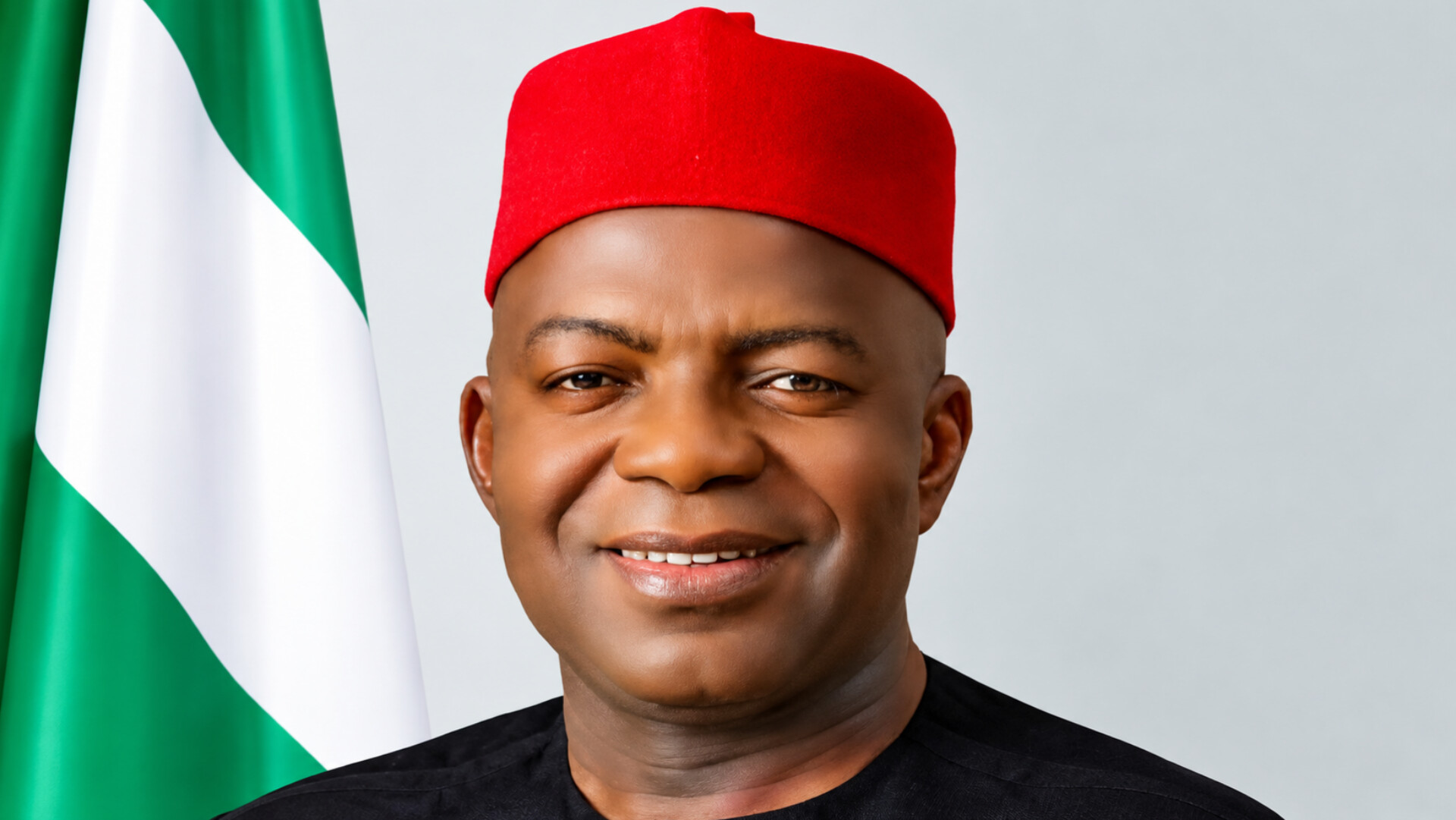
Abia Revenue Surges as State Climbs National Performance Rankings
Abia State has recorded significant growth in internally generated revenue and capital investment, strengthening its position among Nigeria’s improving subnational economies as the government pushes increased spending on infrastructure and public services.
A performance assessment released on Monday, September 7, 2026, highlighted major changes in the state’s fiscal position between 2017 and 2026, with Abia recording gains in revenue generation, capital expenditure and infrastructure delivery.
The development puts renewed attention on the economic direction of the South-East state under Governor Alex Otti and raises an important question: can Abia convert improving government finances into lasting economic opportunities for businesses and ordinary residents?
For years, Abia’s economic potential has been closely associated with Aba, one of Nigeria’s best-known commercial and manufacturing centres.
But poor infrastructure, unreliable public services and other structural challenges have historically limited the ability of businesses to maximise that potential.
The latest assessment suggests the state’s fiscal position is changing.
IGR Growth Puts Abia in Spotlight
Internally generated revenue is one of the clearest measures of how much money a state can mobilise independently of monthly allocations from the Federation Account.
States with weak IGR can become heavily dependent on federal allocations, leaving their finances vulnerable to fluctuations in oil revenue and national economic conditions.
Stronger internally generated revenue can give governments greater room to fund infrastructure and services.
Abia’s improved revenue performance is therefore significant.
The state government says reforms implemented in recent years have strengthened its capacity to generate revenue while directing a greater share of available resources towards capital projects.
However, increasing IGR must be carefully managed.
Revenue growth should ideally come from an expanding economy, improved collection systems and the inclusion of previously untapped economic activities rather than excessive taxation of businesses already struggling with high operating costs.
For entrepreneurs in Aba, Umuahia and other commercial centres, that distinction matters.
Capital Spending Rises
The assessment also points to growth in capital expenditure.
Capital expenditure covers investments such as roads, schools, hospitals, water infrastructure and other assets expected to provide benefits beyond a single budget year.
A state that spends most of its resources on salaries and administrative costs may struggle to build the infrastructure necessary for long-term development.
Higher capital expenditure can therefore be positive when projects are carefully selected, competitively procured and properly completed.
Abia has undertaken several infrastructure projects under the Otti administration, with road construction and rehabilitation receiving particular attention.
Improved roads can have an economic impact beyond easier transportation.
Businesses can move goods faster, transport costs can decline and previously difficult-to-reach communities can become more attractive for investment.
For a state with a large commercial base, those benefits can be substantial.
Aba Remains Critical to Abia’s Economy
Any serious discussion about Abia’s economic future inevitably leads to Aba.
The city is widely known for manufacturing, trading and entrepreneurship, particularly in footwear, garments and leather products.
Thousands of small and medium-sized enterprises operate within its commercial ecosystem.
Many Nigerian entrepreneurs have built businesses from workshops and markets across Aba, often despite infrastructure challenges.
Improving electricity, roads, drainage, waste management and access to finance could significantly increase the productivity of those enterprises.
That means Abia’s improved fiscal position should ultimately be judged partly by what it does for places such as Aba.
A better government balance sheet is valuable, but residents experience economic progress through jobs, business expansion, reliable infrastructure and improved living standards.
Infrastructure Takes Bigger Share
The state government has made infrastructure one of the central elements of its development agenda.
Road projects have been undertaken in different parts of Abia, while attention has also been directed towards education and healthcare.
Infrastructure investment can create a multiplier effect.
Construction provides employment, suppliers receive contracts and completed projects can improve productivity for other businesses.
But maintaining infrastructure is just as important as constructing it.
Nigeria is filled with examples of projects that deteriorated because adequate maintenance was not incorporated into long-term planning.
Abia will need to avoid that cycle if its current infrastructure push is to deliver sustainable returns.
Revenue Growth Must Reach Communities
Fiscal performance rankings are useful, but they do not automatically translate into better lives.
Residents will judge the government’s economic performance differently.
A trader may ask whether customers have greater purchasing power.
A farmer may judge progress by the quality of rural roads connecting farms to markets.
Parents may focus on schools.
Patients will look at healthcare.
Young graduates will want jobs.
These everyday indicators ultimately determine whether fiscal improvement is meaningful.
For the Otti administration, the challenge is therefore converting stronger revenue and capital spending into visible improvements across urban and rural communities.
Businesses Need Breathing Space
Abia’s private sector will also be crucial.
Government cannot create enough jobs on its own.
Small businesses, manufacturers, technology firms, traders, farmers and larger investors must generate most sustainable employment opportunities.
Government policy should consequently make it easier for those businesses to operate.
That means simplifying revenue collection, reducing multiple taxation, improving security, strengthening transportation infrastructure and creating predictable regulations.
Digitising government revenue systems could also help reduce leakages while limiting opportunities for unofficial collections.
If businesses can pay legitimate taxes through transparent systems, both government and entrepreneurs stand to benefit.
Accountability Must Follow Higher Spending
Greater revenue also brings greater responsibility.
As more public money becomes available, citizens have a stronger interest in understanding how it is spent.
Budget transparency, procurement disclosure and public reporting can help residents evaluate whether increased capital expenditure is producing value.
Infrastructure projects should ideally have clearly defined costs, timelines and responsible contractors.
Such transparency can strengthen public confidence and discourage waste.
Civil society organisations, journalists and residents also have roles to play in monitoring government performance.
Economic rankings should not become substitutes for independent scrutiny.
Instead, they should provide starting points for asking deeper questions about where revenue comes from and what government spending actually achieves.
Can Abia Sustain the Momentum?
Perhaps the biggest question is sustainability.
A few years of strong revenue growth can be reversed if reforms depend entirely on particular individuals or temporary economic conditions.
Building institutions is therefore essential.
Revenue systems, procurement processes and project-monitoring mechanisms should function effectively regardless of who occupies Government House.
That is how fiscal improvement becomes structural rather than political.
Abia also needs to expand its economic base.
Manufacturing, agriculture, logistics, technology, tourism and creative industries all offer potential opportunities.
A diversified economy would create additional sources of revenue while reducing pressure on existing taxpayers.
Numbers Must Translate Into Jobs
For young people in Abia, the most important economic statistic may not be the state’s position on a national ranking.
It is whether they can find meaningful work.
Nigeria continues to face significant employment challenges, particularly among young people.
Infrastructure spending can help create jobs in the short term, but sustainable employment requires productive businesses.
Abia’s manufacturing heritage gives the state an advantage.
Supporting businesses to scale from small workshops into larger enterprises capable of supplying national and international markets could generate thousands of jobs.
That will require access to finance, reliable power, modern equipment, skills development and stronger connections to markets.
Abia Faces the Next Test
The latest performance assessment provides encouraging indicators for Abia.
Improved internally generated revenue and increased capital investment suggest that the state’s fiscal capacity is strengthening.
But rankings alone cannot be the final destination.
The next stage is ensuring that the numbers translate into functioning roads, stronger schools, reliable healthcare, competitive businesses and greater employment.
Residents should also be able to see clearly how increased public revenue is being used.
If Abia can combine fiscal discipline with private-sector expansion and transparent infrastructure investment, the state could strengthen its position as an important economic hub in the South-East.
The numbers may show progress.
The bigger test will be whether people across Aba, Umuahia and communities throughout Abia can feel that progress in their everyday lives.
