
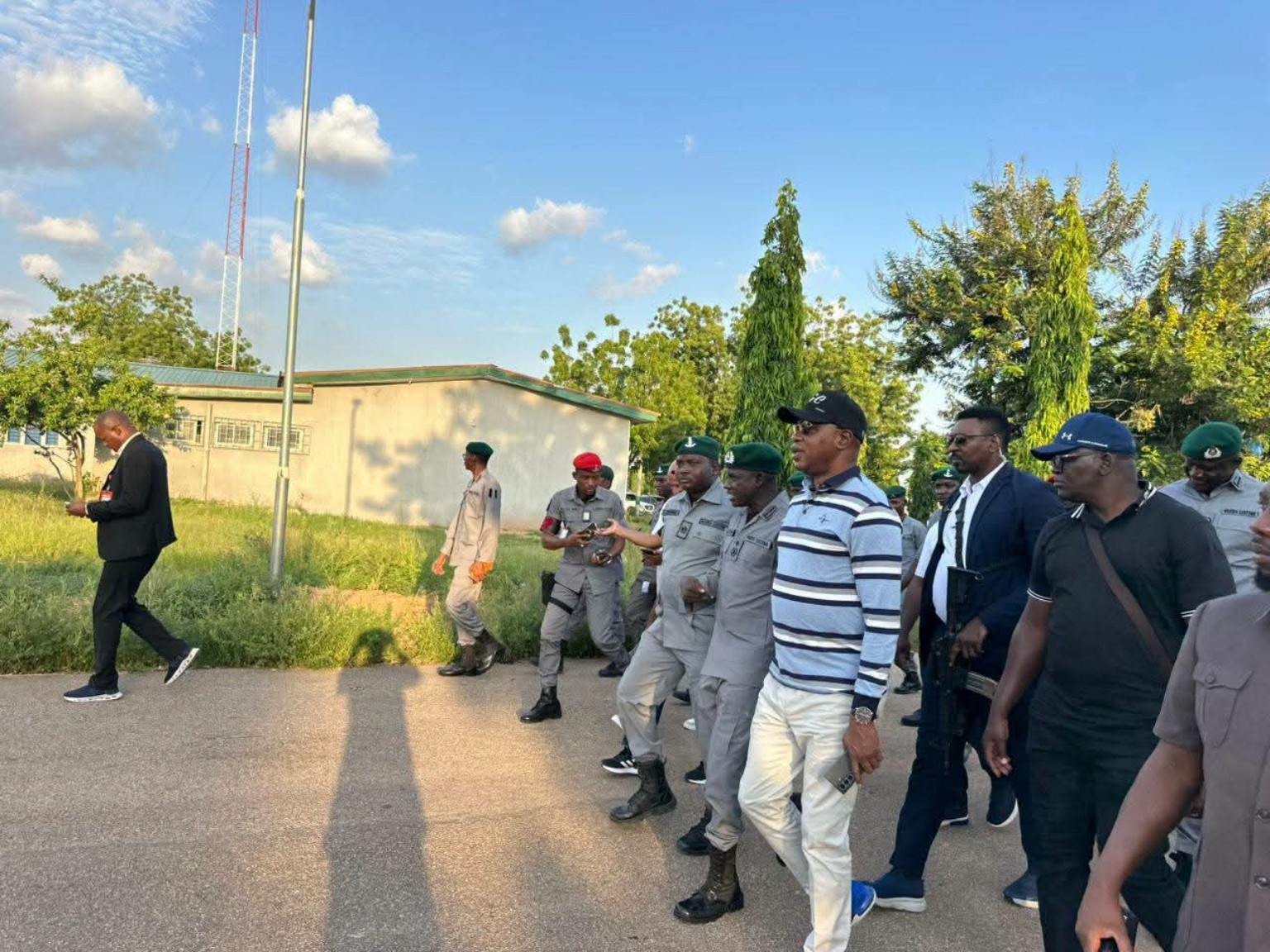
CGC Adeniyi Inspects Kano Customs Training College as New Recruits Prepare for Basic Training
The Nigeria Customs Service has stepped up preparations for its latest batch of recruits, with Comptroller-General of Customs Adewale Adeniyi personally inspecting the Customs Training College in Goron Dutse, Kano, ahead of the commencement of the 2026 basic training programme.
The Comptroller-General of Customs, Adewale Adeniyi, has inspected the Customs Training College, Goron Dutse, Kano, as the Nigeria Customs Service intensifies preparations to receive recruits for its 2025/2026 recruitment training exercise.
Adeniyi visited the training facility on Saturday, August 29, 2026, to evaluate its readiness for the Customs Basic Training Programme and ensure that essential infrastructure, accommodation, logistics and training facilities are in place before the arrival of the recruits.
The inspection signals a crucial stage in the recruitment process as the Service moves from selection towards the professional training and orientation of successful candidates expected to join its workforce.
During the visit, the Customs chief examined facilities across the institution, reviewed ongoing projects and received briefings from senior officers responsible for preparing the College for the training programme.
Senior Customs Officers Receive CGC in Kano
Adeniyi was received by senior officials of the Nigeria Customs Service, including the Zonal Coordinator, Zone B, Assistant Comptroller-General of Customs Nsikan Umoh; the Comptroller of the Federal Operations Unit, Zone B, Aminu Sule; and the Commandant of the Customs Training College, Deputy Comptroller of Customs Umar Atiku.
Other principal officers and heads of units were also present during the inspection.
The presence of senior officers from different formations highlighted the importance attached to the exercise and the Service’s effort to coordinate preparations ahead of the recruits’ arrival.
Rather than limiting the visit to administrative briefings, Adeniyi toured sections of the institution to obtain a direct assessment of conditions at the College.
The inspection covered the general state of facilities, logistical arrangements, ongoing development projects and other requirements necessary for accommodating and training a large number of recruits.
Adeniyi Pushes for Quality Training Environment
Speaking during the visit, Adeniyi reiterated the commitment of the Nigeria Customs Service to ensuring that recruits are trained in an environment capable of supporting professional development, discipline and operational preparedness.
He emphasised the need to provide adequate facilities and logistics for the effective implementation of the basic training programme.
For the Customs Service, basic training represents far more than the formal admission of new personnel into the organisation. It provides the foundation upon which recruits are expected to develop the discipline, knowledge and professional standards required to perform Customs duties.
New personnel entering the Service are expected to eventually operate within a demanding environment involving border management, trade facilitation, revenue administration, anti-smuggling operations and enforcement of relevant laws and regulations.
Ensuring that the training institution is adequately prepared before recruits arrive is therefore critical to the effectiveness of the programme.
Adeniyi’s inspection also provided an opportunity for the Service’s leadership to identify areas requiring attention before training activities fully commence.
College Commandant Briefs Customs Chief
During the inspection, the Commandant of the Customs Training College, Deputy Comptroller Umar Atiku, briefed Adeniyi on activities at the institution and the preparations being undertaken for the incoming recruits.
The briefing covered ongoing developments at the College as officials work to ensure that the facility can effectively support the training exercise.
Following the briefing, the Comptroller-General toured various facilities within the institution to assess progress and determine their level of readiness.
The visit comes at an important moment for candidates involved in the 2025/2026 recruitment exercise, particularly those progressing towards the training stage.
Basic training is one of the most significant phases in the transition from recruitment candidate to Customs officer. It introduces recruits to the institutional culture of the Service while building the physical, professional and operational competencies required for their future assignments.
The training environment can therefore have a major influence on the quality of personnel eventually deployed across Customs formations nationwide.
Recruitment Enters Critical Training Phase
The Nigeria Customs Service performs a central role in Nigeria’s economic and border security architecture. Beyond collecting Customs revenue, its personnel are responsible for facilitating legitimate international trade, combating smuggling and enforcing government policies relating to imports and exports.
The increasing complexity of cross-border trade and organised smuggling has also expanded the skills required of modern Customs officers.
New recruits may eventually find themselves working at land borders, airports, seaports and other Customs formations, where they will be expected to combine enforcement responsibilities with trade facilitation and public service.
Their basic training therefore represents the starting point for developing personnel capable of responding to these responsibilities.
A properly prepared training college is equally essential to maintaining discipline and ensuring that recruits can concentrate on the demanding programme ahead.
Accommodation, classrooms, sanitation, training grounds, administrative facilities, equipment and other logistical arrangements can directly affect the quality and organisation of the training process.
By personally inspecting the Goron Dutse facility before the recruits arrive, Adeniyi is seeking to ensure that preparations move beyond paperwork and that the physical conditions at the College meet the requirements of the programme.
Focus Shifts to Arrival of Recruits
With the inspection completed, attention will increasingly turn to the arrival of the successful recruits and the formal commencement of their basic training.
The exercise will mark a new phase for candidates who have progressed through the recruitment process and are preparing to begin professional life within the Nigeria Customs Service.
For the Service, however, the programme carries a broader institutional responsibility.
The officers produced through the training process will become part of the workforce responsible for protecting Nigeria’s borders, facilitating legitimate commerce, combating illicit trade and supporting government revenue mobilisation.
Adeniyi’s visit to Kano therefore represents more than an inspection of buildings and ongoing projects. It underscores the importance the Customs leadership is placing on preparing the next generation of officers for the responsibilities that await them.
As preparations continue at the Customs Training College, Goron Dutse, the immediate priority remains ensuring that facilities, personnel and logistics are fully ready when the recruits arrive.
The success of that preparation could ultimately help determine how effectively the new intake transitions from successful recruitment candidates into disciplined and professionally equipped Customs officers capable of serving across Nigeria.
