
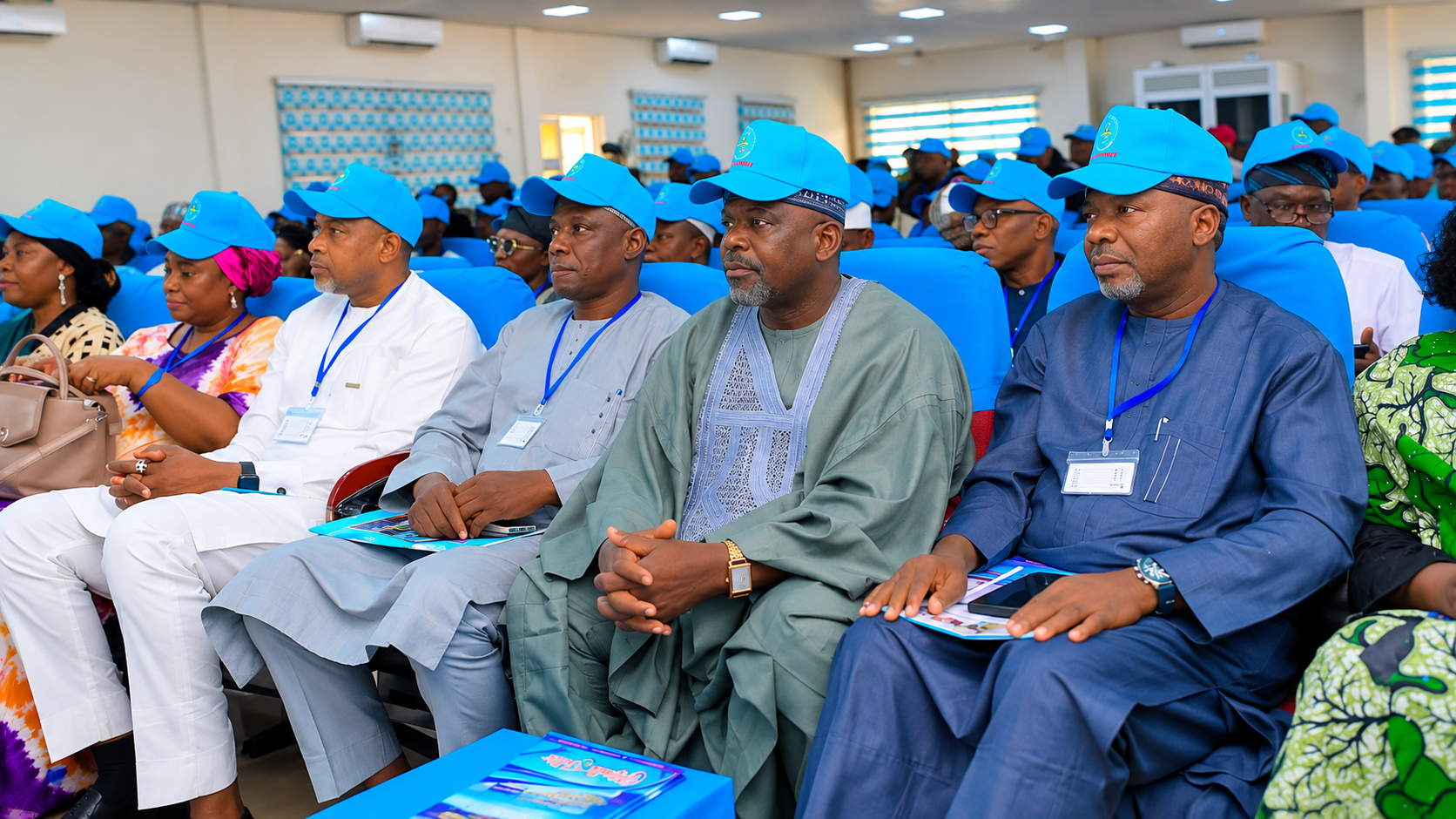
Taraba Strengthens Leadership Capacity as Officials Graduate From Jaji Training
The Taraba State Government has taken another step towards strengthening leadership and institutional capacity following the graduation of government officials from a training programme in Jaji, Kaduna State.
The initiative is part of efforts by the state government to improve the capacity of public officials and strengthen the effectiveness of government institutions. The development was highlighted in the August 27, 2026 edition of Taraba News as one of the government’s interventions aimed at strengthening leadership capacity.
The training underscores the importance of human-capital development in public administration, particularly at a time when citizens increasingly expect government institutions to deliver services efficiently, manage resources responsibly and respond effectively to emerging challenges.
While infrastructure projects such as roads, schools, hospitals and public facilities remain visible indicators of development, the effectiveness of government also depends heavily on the competence of the officials responsible for implementing policies and managing public institutions.
For Taraba State, investing in the professional development of government officials could therefore contribute to stronger institutions and better service delivery.
Building Stronger Leadership
Leadership remains an important component of effective public administration.
Government officials are regularly required to make decisions, coordinate programmes, supervise personnel and ensure that policies approved by the administration are properly implemented.
These responsibilities require more than occupying public office. They demand competence, discipline, sound judgement and the ability to work effectively with other institutions.
Leadership training provides officials with an opportunity to strengthen these capacities and examine ways of improving their performance.
It can also expose participants to approaches that may help them manage responsibilities more effectively when they return to their respective offices.
The significance of the Jaji training will therefore depend largely on how the participating officials apply the knowledge and experience gained from the programme.
Strong Institutions Depend on Skilled Officials
Government institutions can only perform effectively when the people responsible for managing them possess the necessary skills.
Even well-designed policies may struggle to achieve their objectives when implementation is weak.
This makes continuous professional development important within the public service.
As administrative responsibilities become increasingly complex, public officials need to continually improve their knowledge and ability to respond to new challenges.
Government programmes may require coordination across several ministries, departments and agencies. Officials must therefore understand not only their individual responsibilities but also how their institutions fit into the broader structure of government.
Effective leadership can improve coordination, reduce administrative delays and help ensure that government decisions are translated into practical results.
Training Must Produce Measurable Results
The success of any capacity-building programme should ultimately be measured by its impact on performance.
Graduating from a training programme is important, but the greater responsibility begins when participants return to their respective offices.
The knowledge acquired should translate into improved leadership, better decision-making and more effective management of public responsibilities.
Officials who undergo professional training should also be encouraged to share useful lessons with colleagues.
This can extend the benefits of the programme beyond the individuals who attended it.
Internal knowledge-sharing sessions, mentoring and professional discussions can help government institutions build a wider culture of continuous learning.
Such an approach would ensure that capacity-building programmes contribute to institutional development rather than benefiting only a limited number of participants.
Public Service Remains Central to Development
The Taraba State Government is implementing programmes across different sectors, including education, infrastructure, environmental management, agriculture, security and economic development.
The success of these programmes depends significantly on the public officials responsible for implementation.
Political leaders may establish priorities and approve policies, but much of the daily work required to translate those decisions into services is carried out within government institutions.
This makes the quality of the public service important to the overall performance of any administration.
A skilled workforce can improve planning and implementation, while weak administrative capacity can slow projects and reduce the impact of government programmes.
Investing in leadership development should therefore be considered part of the wider effort to strengthen governance.
Accountability Must Accompany Capacity Building
Professional development must also be accompanied by accountability.
Training officials will have limited impact if there are no clear expectations concerning performance.
Government institutions need measurable objectives, effective supervision and systems that ensure officials remain accountable for responsibilities assigned to them.
Leadership development should therefore strengthen not only technical competence but also professionalism, discipline and responsibility.
Public officials manage institutions and resources on behalf of citizens. Their performance can directly influence the quality of services available to residents.
A stronger public service should consequently be one where officials understand that leadership is primarily about responsibility and results.
Knowledge Should Translate Into Better Services
For ordinary residents, the most important outcome of the Jaji training will not be the certificates received by participants.
What matters is whether the knowledge gained contributes to improvements in government services.
Residents should eventually experience the benefits through more responsive institutions, better coordination and more effective implementation of public programmes.
This is where the value of capacity building becomes measurable.
When officials become better at planning, coordinating and supervising programmes, government institutions are better positioned to deliver results.
Training should therefore be closely connected to the practical responsibilities of participating officials.
Investing in People and Institutions
Taraba’s development requires investment in both infrastructure and people.
Building roads, schools and other public facilities remains important, but those investments require capable institutions to manage and sustain them.
Human-capital development provides an opportunity to strengthen the institutions responsible for delivering government programmes.
The graduation of Taraba officials from the Jaji training programme therefore represents more than the completion of a professional course.
It reflects an effort to improve the leadership capacity available within the state government.
The responsibility now shifts to the participating officials to demonstrate the value of that investment through their performance.
As they return to their respective duties, expectations will be that lessons from the programme are translated into stronger leadership, improved coordination and greater commitment to public service.
Ultimately, the success of the initiative will not be determined by the training itself but by the results that follow.
If the knowledge gained at Jaji contributes to more effective institutions and better service delivery, the programme would have achieved its most important purpose strengthening the capacity of government to serve the people of Taraba State.
