Breaking News, Politics, Business and Analysis in Nigeria
Army’s 10 Division to Boost Taraba Security, Tourism — Kwelle
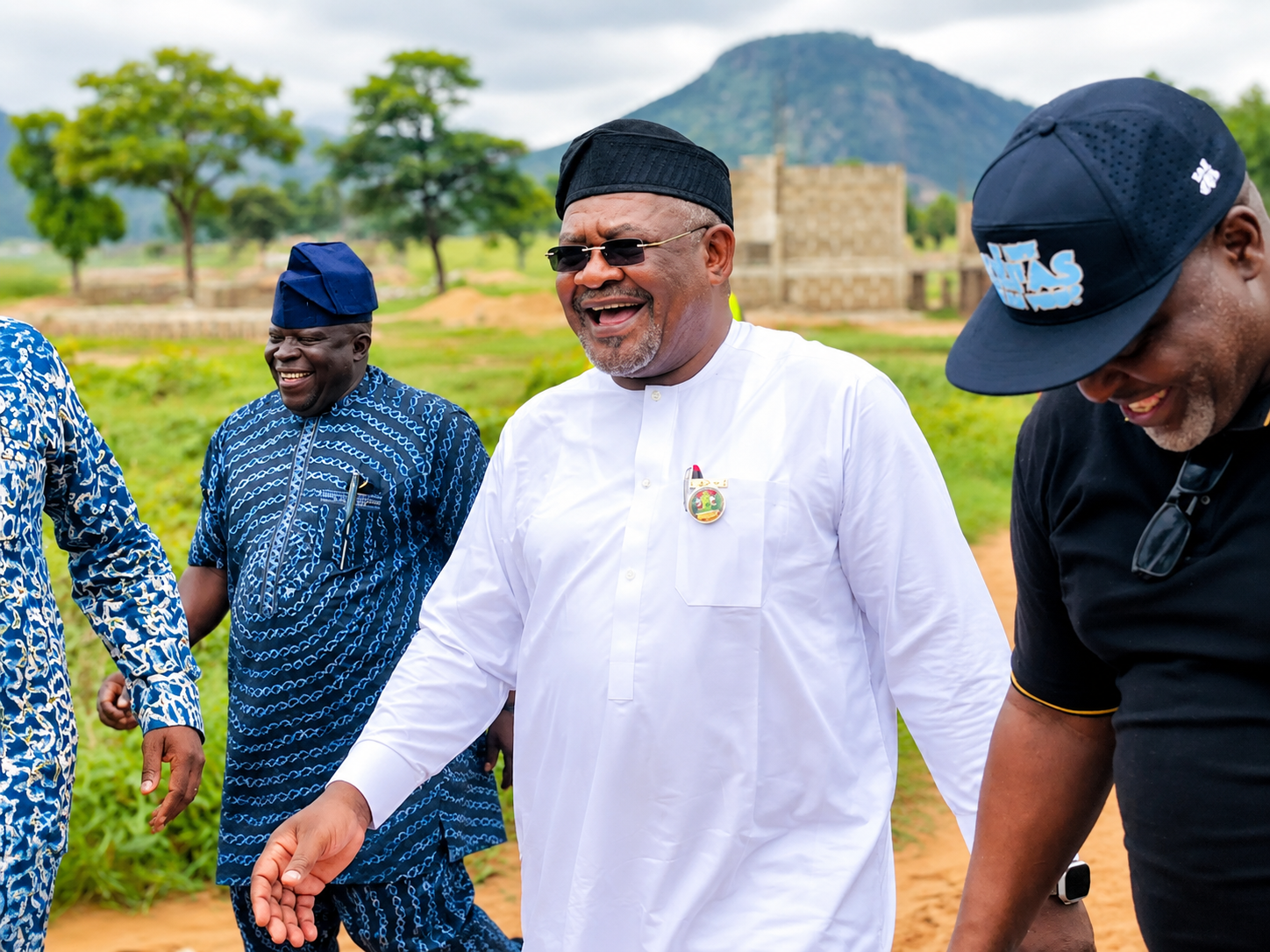
The establishment of the Nigerian Army’s 10 Division in Taraba State is expected to strengthen security, stimulate economic activities and create a more favourable environment for the development of the state’s tourism potential, according to the Special Adviser to Governor Agbu Kefas on Security Matters, Col. Joshua Kwelle (rtd).
Kwelle described the establishment of the military formation as a major development for Taraba, saying its presence would complement existing security arrangements and enhance the safety of residents and visitors.
Speaking with journalists in Jalingo, the security adviser said the new division would strengthen the state’s security architecture while creating conditions that could support wider economic and social development.
The development comes as security remains an important consideration for communities, businesses, farmers, travellers and investors across the state.
Kwelle Sees Stronger Security Architecture
According to Kwelle, the presence of the 10 Division will complement the work already being carried out by security agencies operating in Taraba.
He commended security personnel for their efforts towards maintaining peace and said the new military formation would further reinforce their work.
The establishment of a full Army division in the state represents a significant addition to the existing security structure.
For residents, the expectation will be that the increased military presence contributes to improved security and enables communities to carry out their daily activities with greater confidence.
Security has implications beyond the prevention of crime and violence. It affects farming, transportation, education, commerce and the movement of people between communities.
When residents feel safe travelling to farms, markets and neighbouring communities, economic activities can operate with fewer disruptions.
The same applies to businesses considering whether to establish operations in an area.
Kwelle believes the 10 Division could therefore have an impact extending beyond purely military operations.
Economic Opportunities Expected
The security adviser also linked the establishment of the division to possible economic benefits for Taraba.
According to him, the presence of additional military personnel could increase demand for goods and services, potentially creating opportunities for businesses and encouraging companies, banks and other commercial organisations to expand their operations in the state.
The argument reflects the wider economic activity that can develop around major institutions.
Personnel stationed in an area require accommodation, transportation, food, household goods and other services. Their presence can therefore increase demand within surrounding communities.
Local traders and service providers could potentially benefit from this increased economic activity.
However, the longer-term economic significance will depend on how effectively improved security translates into confidence among residents and investors.
For businesses, security is often an important consideration when deciding where to invest. A more stable environment can make it easier to move goods, protect investments and maintain regular commercial activities.
Taraba has significant agricultural, tourism and commercial potential, but the ability to develop those sectors depends partly on the security of communities and transportation routes.
Tourism Could Benefit
Kwelle also identified tourism as a sector that could benefit from improved security.
Taraba is home to several natural attractions and landscapes capable of drawing visitors, but tourism development requires more than attractive destinations.
Visitors need confidence that they can travel safely to and from tourist locations.
According to Kwelle, strengthening security could encourage more people to visit the state’s tourist attractions.
This could have wider benefits for communities located around tourism destinations.
Tourism can support hotels, restaurants, transportation services, tour operators, local traders and other businesses. Increased visitor numbers can also create opportunities for communities to market local products and cultural experiences.
Security alone, however, will not automatically transform the tourism sector.
Road accessibility, accommodation, promotion, maintenance of tourist sites and other supporting infrastructure will remain important.
Nevertheless, creating a safer environment would provide a stronger foundation for efforts aimed at positioning Taraba as a destination for domestic and international visitors.
Taraba Ready to Support Division
Kwelle said the state was prepared to support the 10 Division in carrying out its responsibilities, adding that arrangements had been made for its take-off.
He also praised President Bola Ahmed Tinubu for approving the establishment of the division in Taraba.
The security adviser called on residents to support the military formation and cooperate with its personnel to enable them to effectively discharge their responsibilities.
Cooperation between residents and security agencies can be important to maintaining peace.
Security personnel often depend on information from communities to understand local concerns and respond effectively to threats.
At the same time, constructive engagement between security institutions and communities can strengthen confidence and improve relationships.
Kwelle’s appeal therefore places some responsibility on residents to cooperate with the new formation as it begins operations in the state.
Army Reflects Nigeria’s Diversity
Another issue highlighted by Kwelle was the diverse composition of the Nigerian Army.
He described the military as a multi-ethnic institution that reflects the diversity of the country, noting that personnel from different backgrounds would serve within the division.
Taraba itself is home to numerous ethnic and cultural communities.
The deployment of personnel from different parts of Nigeria could therefore contribute to greater interaction between military personnel and local communities.
Effective civil-military relations will be particularly important as the division settles into its responsibilities.
Residents will expect security operations to protect communities, while military authorities will require cooperation from the public.
Maintaining professionalism and mutual respect will consequently be important to building confidence around the new formation.
Kefas’ Security Background Highlighted
Kwelle also attributed progress in strengthening security in Taraba to Governor Kefas’ support and previous military experience.
He argued that the governor’s understanding of security matters from his years of military service had contributed to the administration’s approach to security.
The establishment of the 10 Division now provides an additional security institution whose activities could influence the state’s security environment.
The key measure, however, will be the practical effect on communities.
Residents will be looking for improvements in their ability to live, travel, farm and conduct business safely.
Security and Development Closely Linked
The wider significance of the 10 Division lies in the relationship between security and development.
Farmers require safe access to agricultural land. Traders depend on secure roads to transport goods. Students and workers need to move between communities, while investors require confidence that their assets and employees can operate in a stable environment.
Tourism also depends heavily on perceptions of safety.
This means any sustained improvement in security could potentially produce benefits across several sectors of Taraba’s economy.
The establishment of the division should therefore be viewed not only in terms of additional military presence but also through the results it produces for residents.
If stronger security allows economic activities to expand, encourages investment and makes tourist destinations more accessible, the impact could extend well beyond security operations.
Kwelle’s assessment presents the 10 Division as an important addition to Taraba’s security architecture and a potential catalyst for broader development.
As the formation takes root in the state, attention will now turn to its operations, cooperation with existing security agencies and relationship with local communities.
For Taraba residents, the ultimate expectation will be straightforward: a safer state where people can pursue their livelihoods, businesses can operate with greater confidence and the state’s tourism potential can be developed without insecurity standing in the way.

Emmanuel Sunday Tijwun is a Nigerian journalist, researcher, and nonprofit leader. He is the Executive Director of TIJCEF and publisher of ClearFact News, covering governance, development, technology, health, and public affairs.
