
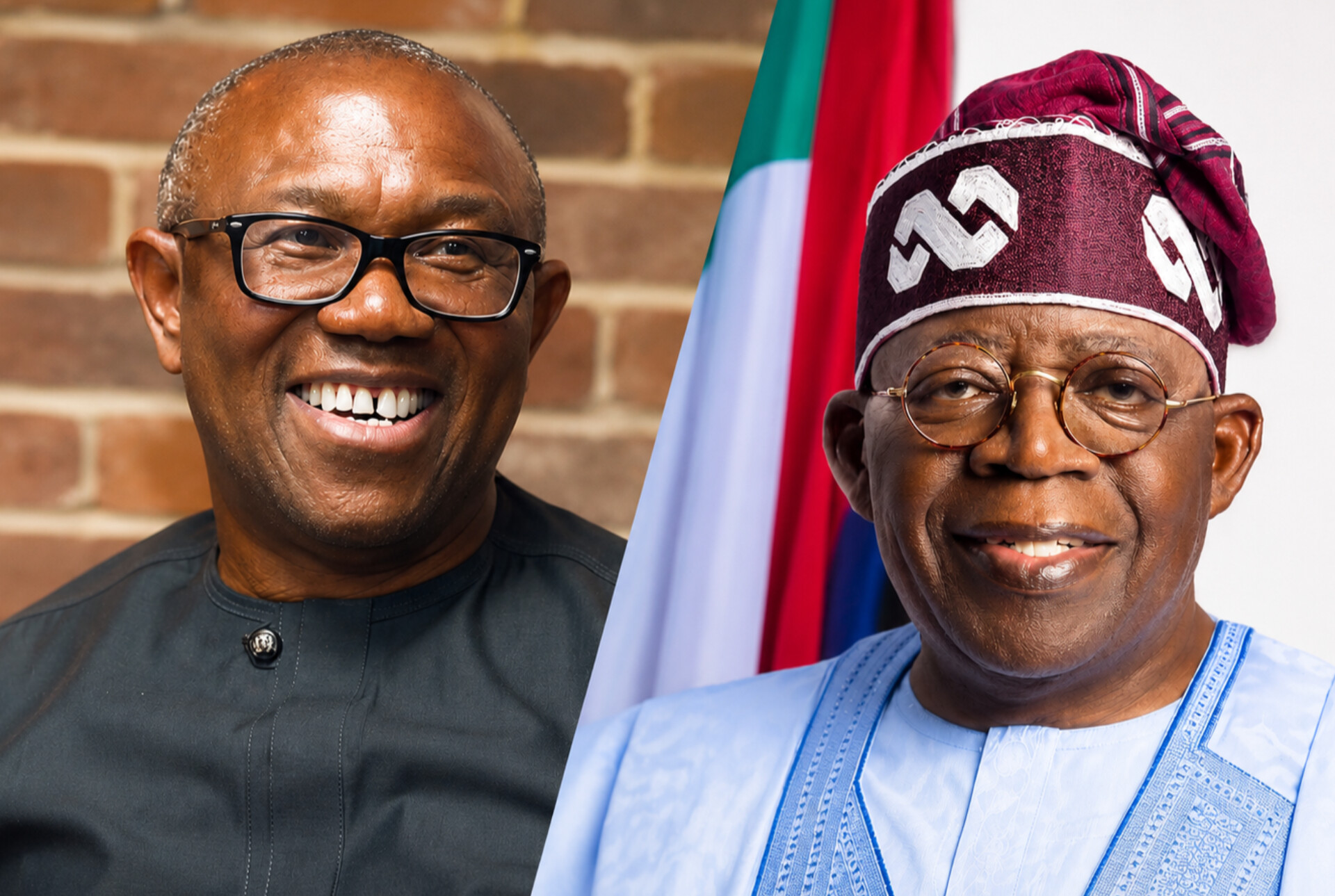
Peter Obi Slams Tinubu’s Borrowing Spree, Raises Questions Over N200 Trillion Debt Burden
NDC Presidential Candidate for the 2027 Election Demands Transparency in Government Spending
The National Democratic Coalition (NDC) presidential candidate for the 2027 general election, Peter Obi, has sharply criticised the borrowing pattern of President Bola Ahmed Tinubu’s administration, warning that Nigeria’s escalating debt profile poses serious risks to the country’s economic future.
In a statement shared on his verified Facebook page, Obi described the current pace of borrowing as evidence of fiscal indiscipline and inadequate accountability in public financial management. He expressed concern that Nigeria’s total public debt has surged to nearly N200 trillion, arguing that the scale of borrowing has outpaced visible economic gains and raised critical questions about transparency in government spending.
Obi Questions Rapid Growth in Public Debt
The former Anambra State governor noted that more than N100 trillion has allegedly been added to Nigeria’s debt stock within approximately three years, describing the development as alarming.
Drawing comparisons with the administration of former President Muhammadu Buhari, Obi stated that the previous government accumulated roughly N49 trillion in debt over an eight-year period. Based on that trajectory, he argued that Nigeria’s debt profile would have been expected to remain significantly lower than current figures suggest.
According to him, millions of Nigerians are already facing mounting economic pressures, including inflation, rising living costs, unemployment, and declining purchasing power. He maintained that continued borrowing without corresponding improvements in infrastructure, productivity, or citizens’ welfare should concern every stakeholder in the nation’s future.
Borrowing Surpasses Approved Targets
A key issue highlighted by Obi relates to federal government borrowing during the first three quarters of 2025.
Referencing data from the Federation’s Budget Office, he stated that the Tinubu administration borrowed N11.89 trillion between January and September 2025. This figure, he noted, exceeded the government’s approved borrowing target of N10.34 trillion by approximately N1.54 trillion.
Obi argued that in countries with stronger accountability systems, exceeding approved borrowing limits would attract immediate public scrutiny and require detailed explanations from government officials.
He questioned why Nigerians have not received sufficient clarification regarding the additional borrowing and its intended impact on economic development.
Obi’s Concerns Over Utilisation of Borrowed Funds
Beyond the amount borrowed, Obi raised concerns about how the funds were allocated and spent.
According to him, only N3.10 trillion of the borrowed funds was reportedly channelled into capital expenditure between January and September 2025. He noted that this represented just 17.66 percent of the N17.58 trillion budgeted for capital projects during the period.
Based on those figures, Obi argued that approximately N14.48 trillion worth of planned capital expenditure remained unfunded despite the substantial borrowing undertaken by the government.
Capital expenditure typically covers investments in roads, healthcare facilities, schools, power infrastructure, water projects, and other development initiatives designed to stimulate economic growth and improve living standards.
Obi maintained that when borrowed funds are not visibly linked to productive investments, concerns regarding efficiency, accountability, and value for money become inevitable.
Peter Obi Calls for Greater Transparency and Accountability
The NDC presidential candidate insisted that Nigerians deserve clear explanations regarding the management of public resources.
He questioned what became of the remaining borrowed funds and urged the federal government to provide a detailed breakdown of expenditure to reassure citizens that the resources were utilised responsibly.
According to Obi, transparency remains one of the fundamental pillars of good governance, especially when future generations will ultimately bear the burden of repaying public debt.
“Nigerians have a right to know how borrowed funds are being spent,” he argued, stressing that accountability is essential for maintaining public trust and ensuring sustainable economic management.
National Debate Over Debt Sustainability Intensifies
Obi’s remarks come amid growing national conversations about Nigeria’s fiscal health and long-term debt sustainability.
While economists generally agree that borrowing can support economic growth when directed toward productive investments, concerns often arise when debt accumulation outpaces revenue generation or when expenditure lacks transparency.
Several analysts have repeatedly emphasised that sustainable borrowing should translate into measurable improvements in infrastructure, job creation, industrial productivity, and overall economic performance.
As debates over the Tinubu administration’s economic policies continue, Obi’s comments are expected to fuel renewed scrutiny of Nigeria’s debt profile, borrowing strategy, and expenditure priorities.
Despite his criticism, the 2027 presidential hopeful ended his statement on a note of optimism, expressing confidence that Nigeria can achieve sustainable growth through prudent economic management, transparent governance, and accountable leadership.
“A New Nigeria remains possible through responsible leadership, fiscal discipline, and transparent governance,” Obi stated.
