
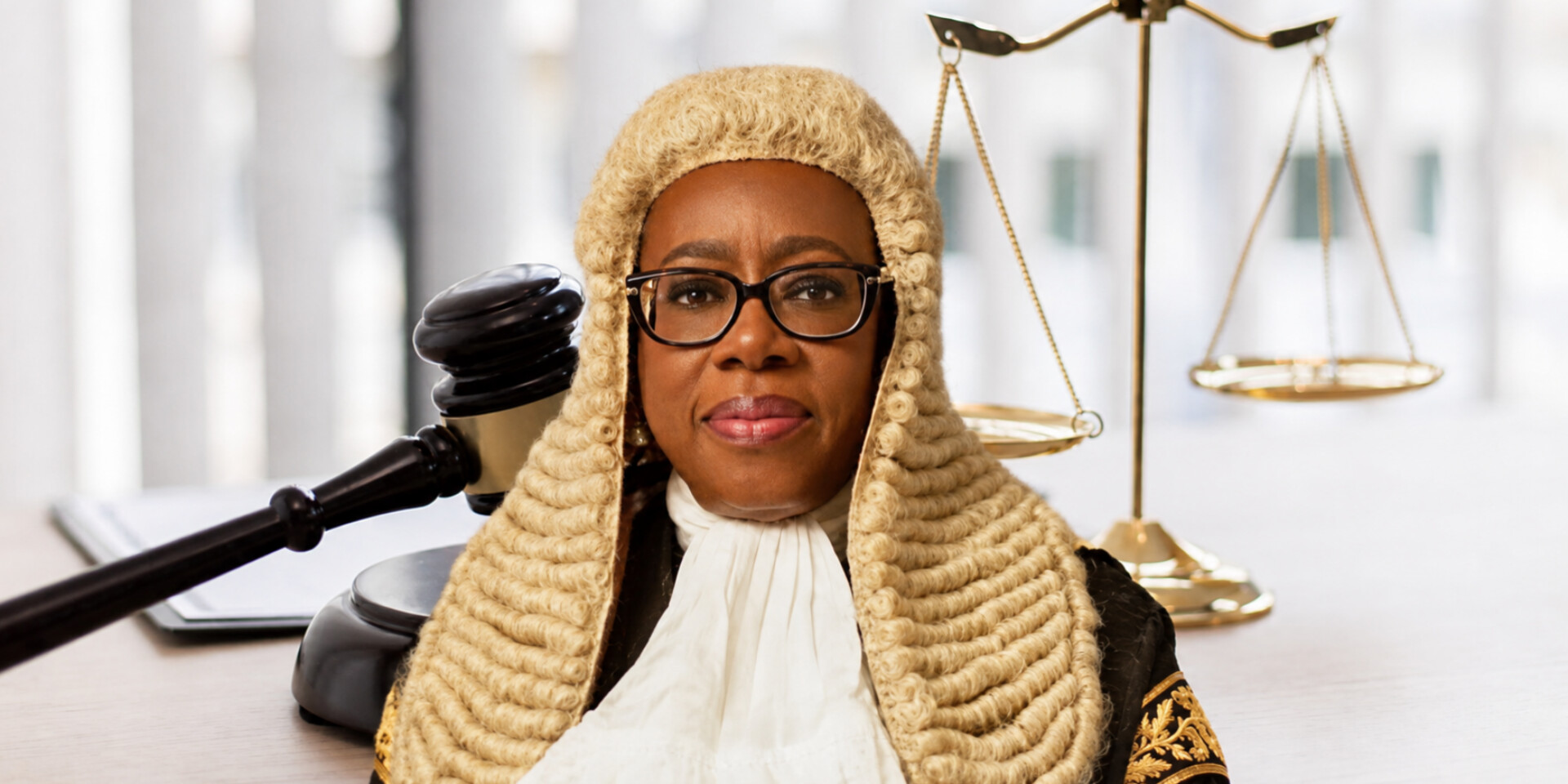
CJN Bans Use of ‘Barrister’ as Name Prefix at Supreme Court
ABUJA — The Chief Justice of Nigeria, Justice Kudirat Kekere-Ekun, has directed lawyers, court registrars and litigation officials to stop using “Barrister” as a prefix to their names in official engagements with the Supreme Court.
The directive, which took immediate effect, was communicated through a memorandum dated July 13, 2026, and signed by the Chief Registrar of the Supreme Court, Kabir Akanbi.
It applies to legal practitioners and court personnel dealing with the country’s highest court and covers official correspondence, records, documents, identity materials and other formal engagements connected with the institution.
According to the memorandum, using “Barrister” before a person’s name is considered inappropriate and inconsistent with the professional standards expected within the Supreme Court.
Heads of departments and unit supervisors were consequently instructed to ensure compliance among officers and legal personnel under their supervision.
The decision represents an effort by the leadership of the judiciary to standardise professional identification and improve the quality of documentation processed by the apex court.
Directive limited to Supreme Court engagements
Although some reports have presented the development as a nationwide ban, the wording of the memorandum indicates that the directive specifically concerns official dealings with the Supreme Court.
It does not prevent qualified lawyers from describing their profession, nor does it cancel the status of anyone who has been called to the Nigerian Bar. It also does not prohibit members of the public from informally referring to lawyers as barristers.
Instead, the instruction addresses how legal practitioners and court officials should write their names when submitting documents, corresponding with the Supreme Court or participating in other official activities connected with the institution.
The distinction is important because “barrister” describes a professional legal role rather than a conventional personal title such as Dr., Professor, Mr. or Mrs.
In Nigeria, lawyers are admitted to practise as barristers and solicitors of the Supreme Court after completing their legal education and being formally called to the Bar. However, the word “Barrister” has become widely used as an honorific before lawyers’ names in invitations, social media profiles, campaign materials, signboards and official correspondence.
The new directive challenges that practice within the Supreme Court’s administrative environment and seeks to ensure that professional status is presented in a more appropriate and consistent format.
Understanding Nigeria’s legal profession
Nigeria operates a fused legal profession. Unlike jurisdictions where barristers and solicitors function as clearly separated branches, a Nigerian legal practitioner may perform both courtroom advocacy and legal advisory work.
A qualified Nigerian lawyer may represent clients before courts, prepare legal documents, offer professional advice and conduct other services permitted by law. Lawyers are therefore commonly described as barristers and solicitors of the Supreme Court of Nigeria.
Despite this professional description, attaching “Barrister” permanently to a lawyer’s name as a personal prefix has remained controversial within sections of the legal community.
Some lawyers argue that the word identifies their professional qualification and helps members of the public recognise their occupation. Others maintain that professional identity should be expressed through recognised post-nominal qualifications, official designations or a clear description of the person’s role rather than by placing “Barrister” before the name.
The Supreme Court’s directive has now established the standard expected in its official environment, regardless of how the expression may continue to be used informally outside the institution.
The circular did not announce a compulsory replacement for the discontinued prefix. It also did not expressly address the use of other professional descriptions or courtesy expressions commonly associated with lawyers. Legal practitioners are therefore expected to follow the naming and documentation requirements communicated by the court when preparing official materials.
Push for professionalism and uniform records
Standardised naming practices are important to judicial administration because courts receive large volumes of documents from lawyers, litigants, government institutions and other stakeholders.
Inconsistent titles can create difficulties when records are stored, retrieved or transferred between departments. Clear naming conventions can also improve digital filing, identity verification and document management as Nigeria’s judiciary gradually expands the use of electronic systems.
The instruction may therefore have significance beyond professional etiquette. It could support efforts to maintain uniform records and reduce unnecessary variations in the way lawyers and court officials identify themselves.
The Supreme Court is the final judicial authority in Nigeria, and its practices often influence administrative standards within the wider legal system. However, extending the restriction to other courts or legal institutions would ordinarily require separate directives from the relevant authorities.
For now, lawyers submitting processes or engaging in official correspondence with the Supreme Court are expected to remove “Barrister” from the beginning of their names.
Supervisory officials have been given responsibility for enforcing the change, meaning departments and units within the court may reject or require corrections to documents that do not comply with the new naming standard.
Legal profession under renewed scrutiny
The directive comes amid wider efforts by legal institutions to protect professional identity and discourage conduct considered inconsistent with the dignity of the profession.
The Council of Legal Education recently warned prospective lawyers against wearing wigs and gowns or presenting themselves as qualified legal practitioners before being formally called to the Nigerian Bar.
Possessing a law degree or completing academic training does not automatically authorise a person to practise law in Nigeria. Eligible candidates must complete the required professional training and be formally admitted to the Bar before presenting themselves as legal practitioners.
These measures reflect increasing concern about the misuse of legal titles, professional clothing and other symbols associated with the justice system.
Professional titles carry authority and can influence how members of the public relate to individuals who use them. Judicial and legal institutions therefore have a responsibility to ensure that such descriptions are accurate and used in accordance with accepted standards.
The Supreme Court’s decision may also encourage debate within the Nigerian Bar about how lawyers should present their names on letterheads, business cards, identity documents and digital platforms.
Mixed reactions expected
The directive is likely to generate different reactions among Nigerian lawyers. Some practitioners may welcome it as a necessary correction that reinforces professional discipline. Others may consider the use of “Barrister” an established Nigerian convention that does not cause any meaningful harm.
Nevertheless, lawyers appearing before or communicating with the Supreme Court are bound by the court’s administrative requirements, irrespective of their personal views about the title.
The development should not be interpreted as an attack on the legal profession or a reduction in the status of Nigerian lawyers. A lawyer’s professional standing comes from being properly trained, called to the Bar and enrolled to practise—not from placing a particular word before their name.
Justice Kekere-Ekun’s directive ultimately places greater emphasis on competence, ethical conduct and professional standards than on ceremonial titles.
As implementation begins, law firms, government legal departments and individual practitioners dealing with the Supreme Court may need to review their official templates and records. Letterheads, identity materials and court documents containing “Barrister” as a prefix may have to be updated to comply with the new instruction.
The message from the apex court is straightforward: professional recognition should be reflected through qualification, responsibility and conduct, while official records must follow clear and consistent standards.
